Termite Inspections in Stony Brook, NY: What to Expect and Why Local Conditions Matter
Termite Inspections in Stony Brook, NY: What to Expect and Why Local Conditions Matter
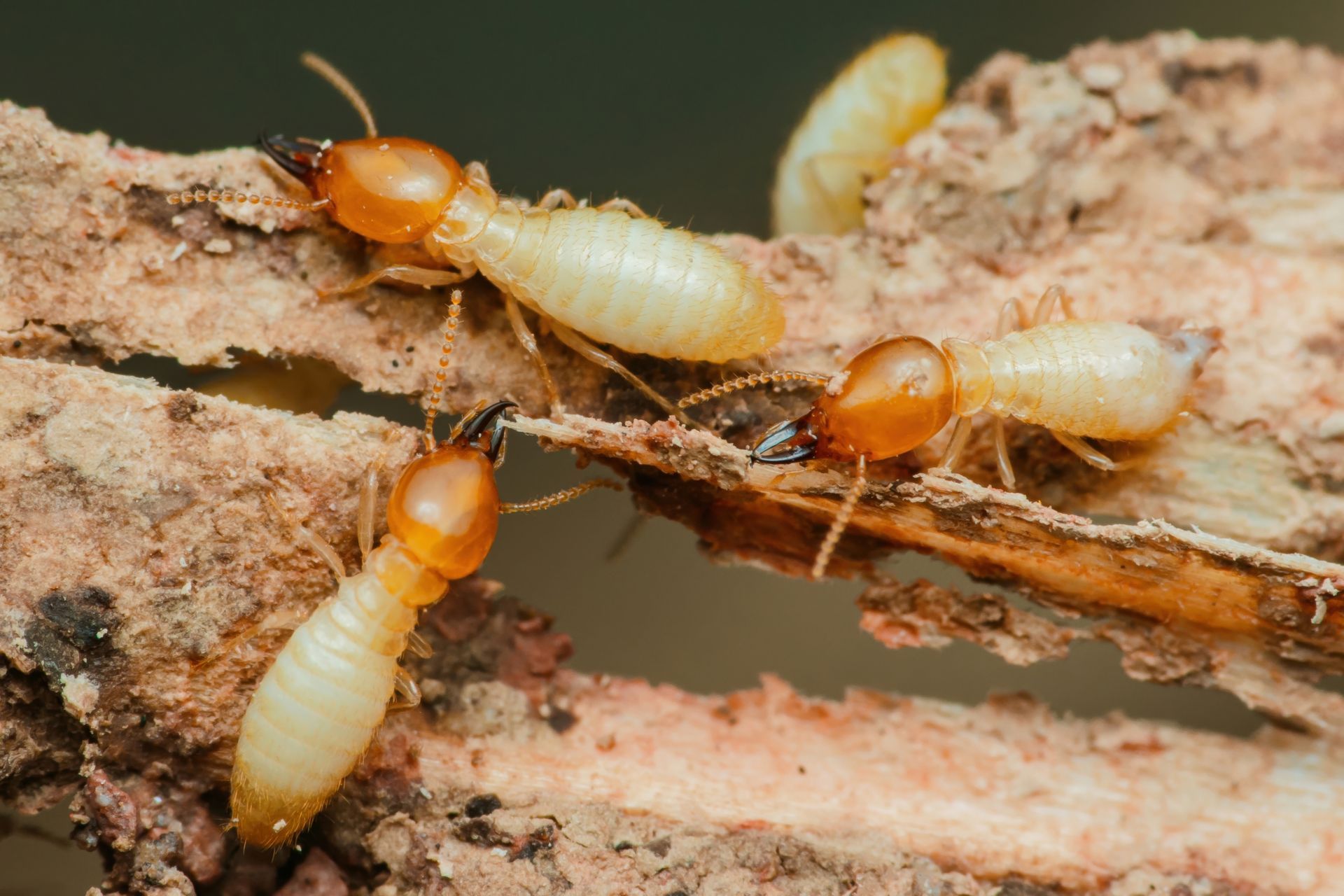
Stony Brook sits on Long Island's North Shore, where clay-heavy soil holds moisture long after spring rains — and that standing moisture near your foundation is exactly what Eastern Subterranean Termites need to build the mud tubes that carry them from soil into wood. Because damage from these colonies can accumulate silently for years before you notice anything, a professional inspection is the only reliable way to know what's happening inside your walls, joists, and crawl space.
Why Stony Brook Homes Face Elevated Termite Risk
Stony Brook's older housing stock, wooded lots, and proximity to the harbor create a combination of conditions that favor termite activity more than most New York suburbs.
The North Shore's mature trees, stumps, and root systems sit right next to foundations, giving Eastern Subterranean Termites a steady cellulose food source at ground level. Mid-20th century homes common in the area often have crawl spaces, original wood framing, and pier-and-beam foundations — all structural profiles where wood-to-soil contact is frequent. When additions or renovations were done over the decades, new wood-to-soil contact points were sometimes introduced at transition zones.
Repeated freeze-thaw cycles through the winter also crack and shift foundation masonry, opening entry points that colonies exploit once soil temperatures rise above freezing. Heavy ornamental mulch near foundations — a hallmark of North Shore landscaping — creates a direct cellulose-to-soil-to-foundation pathway that inspectors flag as a conducive condition even when no active infestation is present.
What Happens During a Professional Termite Inspection?
A licensed inspector moves through your property in a systematic sequence — exterior perimeter first, then basement or crawl space, then accessible living areas and the garage — and the whole process typically takes 45 minutes to an hour and a half depending on home size and crawl space access.
On the exterior, the inspector checks foundation walls, expansion joints, utility penetrations, deck ledger boards, and any point where wood siding comes close to soil. They're looking for mud tubes running up the foundation, swarm evidence like discarded wings near windowsills, and moisture-damaged wood at grade.
Inside the basement or crawl space, the inspector uses a flashlight, moisture meter, and a probing tool to test wood integrity along sill plates, floor joists, support posts, and subfloor sheathing. A moisture meter reading above threshold in a joist tells the inspector that even if termites haven't arrived yet, conditions are primed. Hollow-sounding wood under the probe is a direct sign of internal gallery damage. You can learn more about termite inspections and treatments and what professionals check at each stage of the process.
The garage often gets overlooked by homeowners but is high-risk because wood framing sits directly on or near a concrete slab, giving termites a concealed entry point. The inspector closes by documenting findings with notes and photos, then walking you through what was found before leaving — categorizing results as active infestation, evidence of prior infestation, conducive conditions only, or no findings.
Do You Need a Termite Inspection Before Selling Your Home in Stony Brook?
If the transaction involves a lender, a Wood Destroying Insect Report — commonly called a WDI or NPCA-33 report — is required by most mortgage underwriters in New York, and it is a separate document from a standard inspection.
This real estate report must meet specific format requirements for mortgage underwriting. If the report shows active infestation or significant prior damage, the lender may require treatment as a condition of closing. Both buyers and sellers benefit from understanding this early in the process, because a finding that surfaces right before closing can delay or complicate the transaction. Getting an inspection before listing gives sellers time to address any issues on their own timeline.
How Long Island's Spring Season Affects Inspection Timing
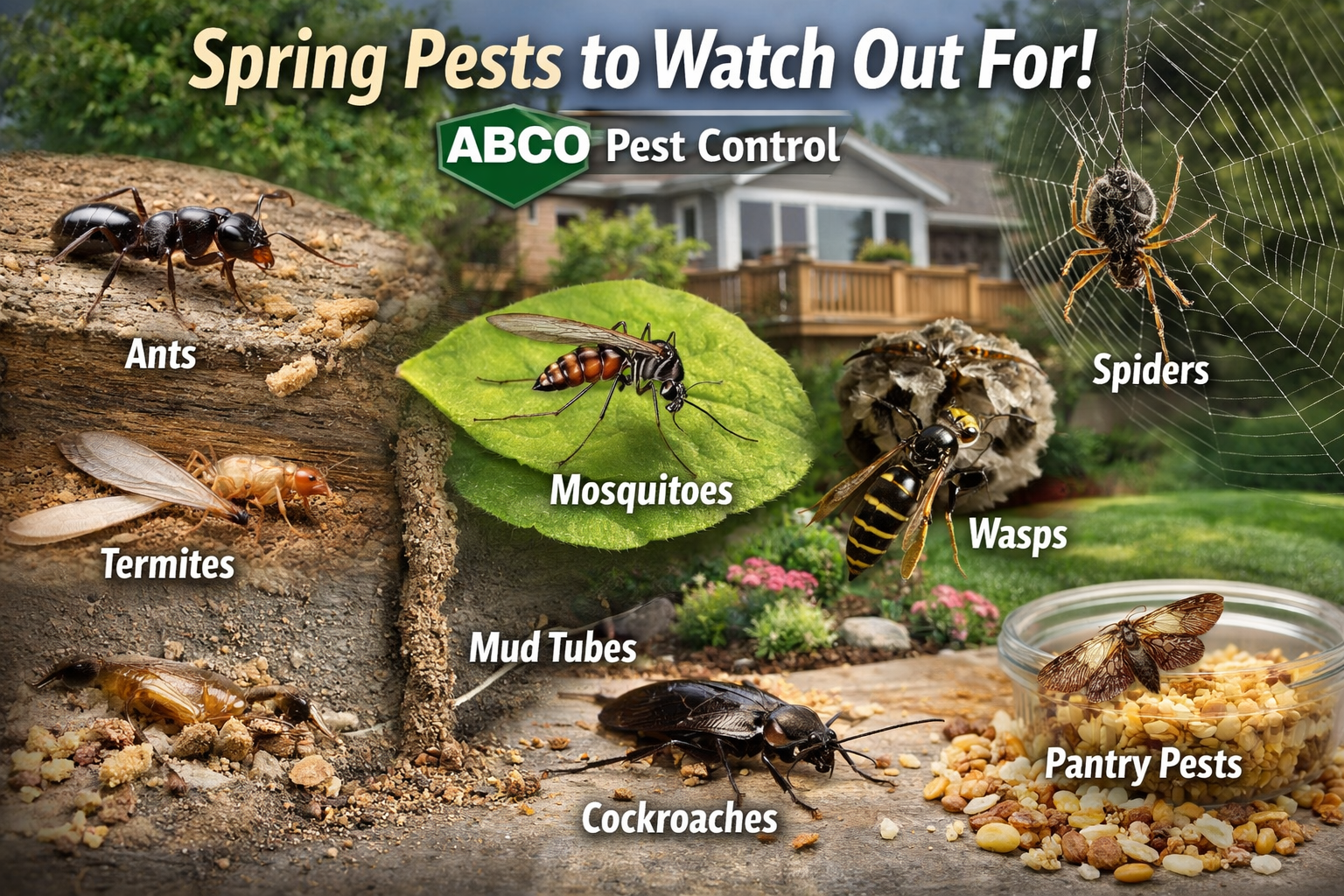
Eastern Subterranean Termites peak in surface activity between March and May on Long Island, when warming soil temperatures trigger swarming and new mud tube construction near foundations. This is the window when active infestations are easiest to detect visually.
Scheduling an inspection in early spring — before mulch goes down and before landscaping obscures the foundation perimeter — gives the inspector the clearest possible view of the exterior. Stony Brook's wet spring soil also means moisture meter readings in crawl spaces will reflect real-world conditions during this period, so any wood that is absorbing excess moisture will show elevated readings that inform both treatment and remediation recommendations.
Annual inspections are recommended for Long Island homes given the environmental exposure. If a prior infestation has been treated, more frequent monitoring helps confirm that the colony has not reestablished through a new entry point.
When an active infestation is found, the inspector will recommend a treatment plan — typically a liquid soil treatment or a bait station system — based on where the infestation is located, how your home is constructed, and how accessible the soil is around the foundation. Following treatment, enrolling in a year-round protection program after a termite finding keeps the property monitored so new activity is caught before structural damage accumulates.
Getting a clear picture of your home's termite status — whether you're preparing to sell, just moved in, or noticed swarmers near a windowsill — means you can act on facts rather than guesswork, and the inspection report gives you a documented baseline for every decision that follows.
Schedule your inspection with A A A Abco Termite & Pest Control Inc to get a thorough assessment of your Stony Brook property before the spring activity window closes.