PROPERTY MANAGEMENT COMPANIES
Pest Control for Property Management Companies in Stony Brook & Long Island
Help for tenant complaints, recurring pest activity, and prevention across your properties
When a tenant reports pests, you need more than a treatment appointment. You need to understand what is happening, which areas may need attention, and how to coordinate the next step with the people who live or work in the building.
ABCO Termite & Pest Control works with property managers to evaluate residential and commercial pest concerns in Stony Brook and across Long Island. From a problem in one apartment to recurring activity at several buildings, recommendations begin with the pest, the property, and the conditions involved.
Fourth-generation company • Veteran- and family-owned • Clear explanations • Property-specific recommendations
Start With the Situation You Need to Resolve
A tenant has reported pests in one unit
Record where the pest appeared, when it was seen, and whether there have been repeat sightings. A clear photograph can help with identification. ABCO can evaluate the concern and determine whether the next step is a targeted inspection, treatment of the affected area, or further investigation. Mention suspected bed bugs or termites when you call so the correct type of service can be considered.
The same concern keeps returning
Repeated sightings deserve a closer look at both the pest and the building. Gaps around utility lines, moisture, storage conditions, and other entry or hiding areas may contribute to activity. Tell ABCO about previous treatments and where pests have returned so the recommendation accounts for that history.
You want to plan service across multiple properties
Start with a list of property addresses, building types, known concerns, and access contacts. Each location may have different needs. ABCO can discuss those differences with you and recommend next steps rather than assuming every building needs identical treatment or frequency.
You want prevention before the next complaint
You do not need to wait for a large infestation to ask about pest management. Preventative service can consider exterior entry points, seasonal insect activity, moisture, vegetation, and sanitation conditions. The goal is to reduce opportunities for pests to enter while identifying issues that warrant attention.
Pest Management That Considers the Whole Property
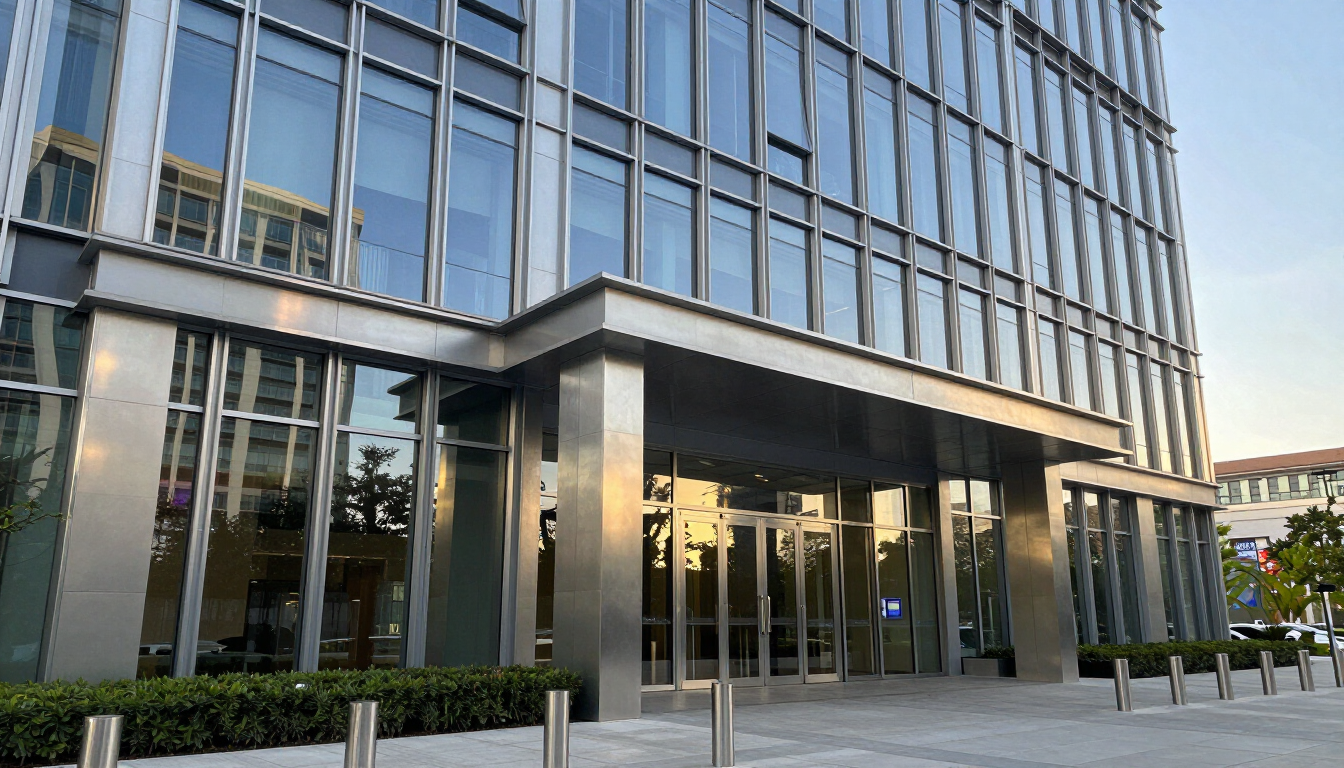
An occupied building has several moving parts: private units, common areas, storage spaces, exterior access points, and maintenance responsibilities. Understanding where activity occurs helps determine where inspection and treatment should focus.
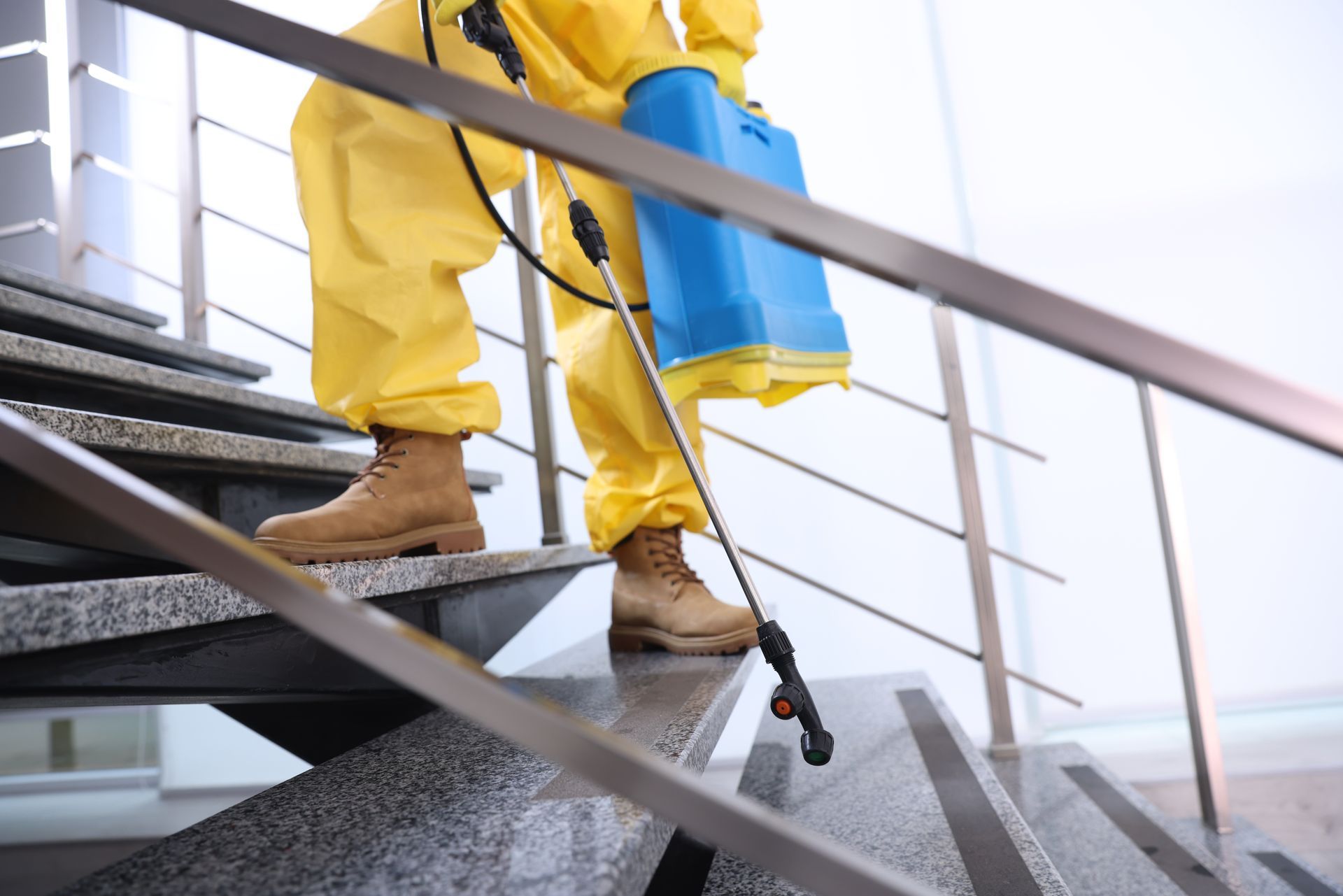
ABCO's general pest-control approach emphasizes exterior areas where insects enter, hide, or travel, including foundations, doors, windows, cracks, and utility openings. When there is an active indoor concern, targeted interior treatment may be appropriate.
Your recommendation may include treatment, practical prevention steps, or a combination of both. Share tenant access needs, sensitive areas, and any reporting requirements before scheduling so those details can be discussed.
Managing tenant concerns in a building with multiple units requires a clear picture of where activity has been reported and which areas are accessible. Learn more about pest control for apartment properties.
Duplexes and other multi-family properties may have different access arrangements and occupant needs from larger communities. Review service information for multi-family homes and discuss your building's situation.
For managed office properties, explain where employees have noticed activity, how spaces are used, and when access is available. These details help guide the service conversation.
Do You Need General Pest Control or a Specialized Inspection?
General service may address ants, spiders, crickets, centipedes, millipedes, earwigs, cockroaches, silverfish, and other invading insects, depending on the problem and selected treatment plan.
Termites and bed bugs generally require separate inspection and treatment approaches. If you are unsure what you are seeing, describe the insect, its approximate size, and the location of the activity. ABCO can use that information to determine whether an inspection is needed before recommending treatment.
Concerned about possible termite activity?
Learn about termite inspection and treatment, and mention that concern when requesting service.
Clear Explanations for Better Property Decisions
ABCO is a fourth-generation, veteran- and family-owned company that emphasizes customer education and appropriate treatment. For a property manager, that means a service conversation centered on what has been reported, what may be contributing to the concern, and which next step fits the property.
One-time service may address a specific problem. Seasonal or ongoing service may be appropriate where property conditions and pest activity call for continued attention. Frequency should reflect the building's needs and use, rather than a standard schedule applied to every address.
For managed properties in Stony Brook, Setauket, Smithtown, and other Long Island communities, call to confirm service availability at each address, including locations in Nassau and Suffolk Counties.
Tell Us What Is Happening at Your Property
Whether you are responding to one tenant complaint or evaluating service for several buildings, start with the details you have. Tell us where activity is occurring and what you need help coordinating so ABCO can discuss an appropriate next step.
Contact Us
Thank you for contacting ABCO. Your property service request has been submitted. For scheduling questions, call 631-979-7378.
Please try again later.
Prefer to speak with us?
Property Management Pest Control FAQs
Should I request service for one unit or the entire building?
Begin by explaining where activity has been reported and whether other occupants have noticed the same concern. The appropriate scope depends on the pest and the findings. ABCO can help determine whether attention should focus on one area or whether additional inspection is warranted.
What information should I collect before contacting ABCO?
Have the property address, building type, location of sightings, and approximate start date available. Clear photos, previous treatment details, and access requirements are also useful. Avoid including unnecessary personal information about tenants in the initial request.
Can I discuss several properties in one inquiry?
Yes. Share the locations, building types, and concerns for each property. ABCO can confirm service availability and discuss the next steps. Treatment recommendations may differ between buildings, even when they are managed by the same company.
Will every tenant need an interior treatment?
Not necessarily. Treatment depends on the pest, location, and extent of activity. Exterior service may be appropriate in some situations, while active indoor problems may require targeted interior treatment. Inspection findings help determine the scope.
Can service be coordinated around tenant access?
Discuss occupied units, access contacts, available appointment windows, and any restrictions when arranging service. Preparation and reentry instructions depend on the treatment method and areas involved. Obtain those instructions before notifying occupants or making access arrangements.
Does a seasonal plan make sense for every managed property?
No single schedule fits every building. Seasonal insect activity, recurring concerns, property use, and the severity of an infestation can affect frequency. A commercial or multi-unit property may have needs that differ from those of an individual home.
What determines the cost of property management pest control?
Pricing depends on the pest, size and condition of the property, treatment areas, severity, and selected service arrangement. ABCO can gather initial details and explain whether an inspection is needed before providing an accurate estimate.
What if a tenant continues seeing pests after service?
Document what is being seen, where, and how long after treatment it occurred, then contact ABCO. Results vary by pest and method. The team can review the service and explain the next appropriate step under the selected plan.