
Termites
Protecting Structures From Hidden Timber Damage
Termite management in Long Island for properties with subterranean colonies threatening structural wood
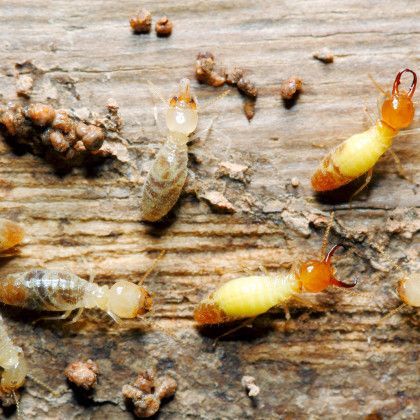
Subterranean termites establish colonies in Long Island soil, moving through underground tunnels to feed on structural wood inside homes and buildings. A A A Abco Termite & Pest Control Inc addresses active infestations and structural risks across Long Island, where sandy coastal soils and moderate moisture levels create conditions that support year-round termite activity. Homeowners notice mud tubes along foundation walls, hollow-sounding wood near sill plates, or discarded wings near windowsills during swarm season, all indicating active feeding and colony expansion beneath the property.
Long Island's combination of well-drained sandy soils and seasonal moisture from coastal humidity allows subterranean termites to tunnel from below-grade colonies directly into wood framing, floor joists, and basement supports without detection. Once workers locate cellulose-rich timber, they establish feeding galleries inside structural members while maintaining underground access tunnels, creating damage that remains hidden until joists weaken or exterior trim crumbles.
Schedule a property inspection to identify mud tubes, colony entry points, and structural damage before timber loss requires framing repairs.
What Long Island Homeowners Notice During Swarm Season
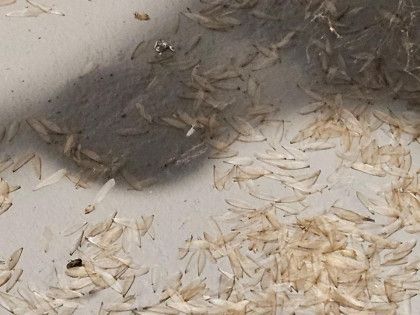
Subterranean termites in Long Island typically swarm from late April through June, when mature colonies release winged reproductive adults during warm, humid afternoons following rain. During this period, hundreds of dark-bodied swarmers emerge from soil near foundation walls, fly briefly toward light sources, then shed their wings and attempt to establish new colonies in nearby moist wood or soil contact points.
After swarming ends, homeowners find piles of discarded wings on windowsills, basement stairs, or near exterior door thresholds, confirming that reproductive termites emerged from an established colony on or near the property. Mud tubes appear along concrete foundation walls, crawl space piers, or inside unfinished basements, showing the protected pathways workers build to transport moisture from soil to feeding sites in dry wood above ground. Wood near these tubes sounds hollow when tapped, and paint or drywall above damaged framing may buckle as internal structural support deteriorates.
Long Island's moderate winters allow subterranean colonies to remain active below the frost line, feeding on cellulose year-round as long as soil moisture remains adequate. Properties with poor grading, clogged gutters, or landscaping that directs water toward foundations create the damp soil conditions that support larger colonies and accelerate timber consumption once workers locate structural wood.
Questions Homeowners Ask Before Scheduling Inspections
Understanding how termites move through Long Island properties and when damage becomes visible helps homeowners recognize the need for professional assessment before structural repairs become necessary.
What makes Long Island soil favorable for subterranean termites?
Sandy coastal soils drain quickly but retain enough moisture during humid summers to support underground colonies, while moderate winters keep termite workers active below the frost line throughout the year, allowing continuous feeding on structural wood whenever they establish contact with timber.
How do termites reach above-ground wood without visible damage?
Workers construct mud tubes from soil up foundation walls, using a mixture of soil, saliva, and fecal material to create enclosed tunnels that maintain humidity while protecting the colony from air exposure during their journey from underground nests to structural framing.
When should Long Island homeowners schedule termite inspections?
Properties with prior termite activity, older construction with soil-contact wood, or visible swarmers during spring should receive annual inspections, while homes near wooded areas or with moisture issues benefit from evaluations before damage spreads into floor joists or wall studs.
What structural areas show damage first?
Sill plates resting on foundation walls, basement support posts with direct soil contact, and floor joists near crawl space vents typically show feeding galleries before upper-level framing, since workers prefer damp wood near their underground colony access points.
How does coastal humidity affect termite activity on Long Island?
Persistent humidity from Atlantic weather patterns keeps wood moisture levels higher than inland regions, allowing termites to feed on structural timber even when direct soil contact is interrupted, as workers can sustain colonies with ambient moisture drawn from coastal air.
A A A Abco Termite & Pest Control Inc conducts thorough property evaluations to locate active colonies, map mud tube pathways, and assess structural damage before recommending treatment strategies. Request an inspection to determine colony locations and structural risk before timber damage requires framing replacement.