
Multi-Family Homes
Shared Walls, Recurring Infestations, and Real Solutions
Multi-Family Pest Control in Long Island for properties where pests move freely between connected units
A A A Abco Termite & Pest Control Inc handles pest management for duplexes, townhomes, and multi-unit residential properties across Long Island, where a single untreated unit can reintroduce cockroaches, rodents, or bed bugs to neighboring spaces within days. Property owners and managers face a distinct challenge: shared walls, plumbing chases, and electrical conduits create continuous pathways that allow German cockroaches to travel from one kitchen to another overnight, and mice to nest in one unit while foraging in three others. Once pests establish themselves in common areas or a single neglected unit, standard single-family treatment approaches fail because the infestation source remains active behind the walls.
Multi-family pest control addresses the structural reality of connected housing, where treatment must extend beyond individual units to include utility closets, laundry rooms, trash enclosures, stairwells, and the exterior perimeter where ants and stinging insects establish colonies near shared entryways. Inspections identify how pests move through the building—rodents following plumbing lines between floors, cockroaches traveling through shared walls at night, and bed bugs spreading through adjacent bedrooms that share electrical outlets.
Schedule a property-wide assessment to map infestation sources and treatment zones across all units and common areas.
What Happens During Multi-Unit Treatment and Prevention
The process begins with a building-wide inspection that documents pest activity in each unit, common spaces, and exterior zones, identifying entry points where ants trail into ground-floor units during summer months and gaps around utility penetrations that allow mice to move vertically through the structure. Treatment addresses active infestations with targeted baiting for cockroaches in kitchens and bathrooms, exclusion work sealing cracks in shared walls, and rodent control focusing on basements, crawl spaces, and areas where trash is stored before pickup.
After treatment, you'll notice cockroach sightings stop in treated units, rodent droppings disappear from storage areas and laundry rooms, and ant trails no longer reappear along baseboards where units connect. A A A Abco Termite & Pest Control Inc coordinates treatment timing to address all units within a compressed window, preventing pests from simply relocating to untreated spaces while neighboring units are serviced. For properties in Suffolk County and Nassau County, this approach prevents the cycle where one untreated unit continuously reseeds the infestation across the entire building.
Ongoing service includes quarterly inspections of common areas, monitoring stations in basements and utility rooms, and responsive treatment when tenants report new activity, ensuring that pest pressure from one unit doesn't compromise the entire property. Property managers receive documentation after each visit, tracking which units required attention and what conditions contributed to pest activity.
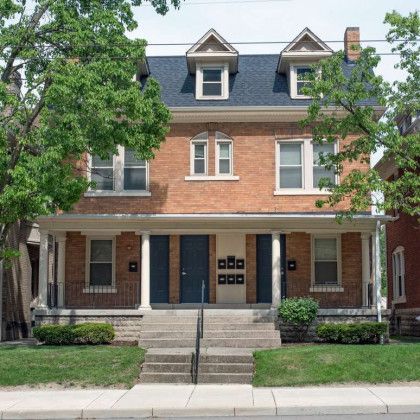
A A A Abco Termite & Pest Control Inc works with property owners across Long Island to establish pest management protocols that address the specific challenges of connected housing. Contact our team to develop a treatment and prevention plan tailored to your property's layout and tenant occupancy patterns.
What Property Managers Ask About Multi-Family Pest Control
Managing pest control across multiple connected units requires coordination and a clear understanding of how infestations spread through shared structures. These questions address the logistics and expectations for properties in Stony Brook and throughout Long Island.
What happens if only one tenant reports pests but others don't? Treatment focuses on the reporting unit first, but inspection extends to adjacent units and common areas because cockroaches and rodents often nest in one location while foraging in another, meaning the source of the infestation may not be where tenants notice activity.
How do bed bugs spread between units in multi-family buildings? Bed bugs move through electrical conduits, along baseboards where units share walls, and occasionally through ventilation systems, which is why inspection includes adjacent units even when only one tenant reports bites or sightings.
Why do ants keep coming back in ground-floor units near landscaping? Pavement ants and odorous house ants nest in mulch beds and under sidewalks outside Long Island multi-family properties, then trail indoors through foundation cracks and door thresholds, requiring exterior perimeter treatment in addition to indoor baiting.
What's included in ongoing pest management for a townhome complex? Quarterly service includes inspection of all common areas, monitoring stations in basements and utility spaces, exterior perimeter treatment, and responsive visits when individual units report new pest activity between scheduled services.
How quickly can treatment start after a tenant reports rodents or cockroaches? A A A Abco Termite & Pest Control Inc schedules initial inspections within 48 hours for active infestations in Long Island multi-family properties, with treatment beginning immediately after the assessment identifies the scope and source of pest activity.