Local vs. National Pest Control: What Long Island Homeowners Should Know
Why Long Island Homeowners Choose a Local Pest Control and Termite Company Over a National Chain
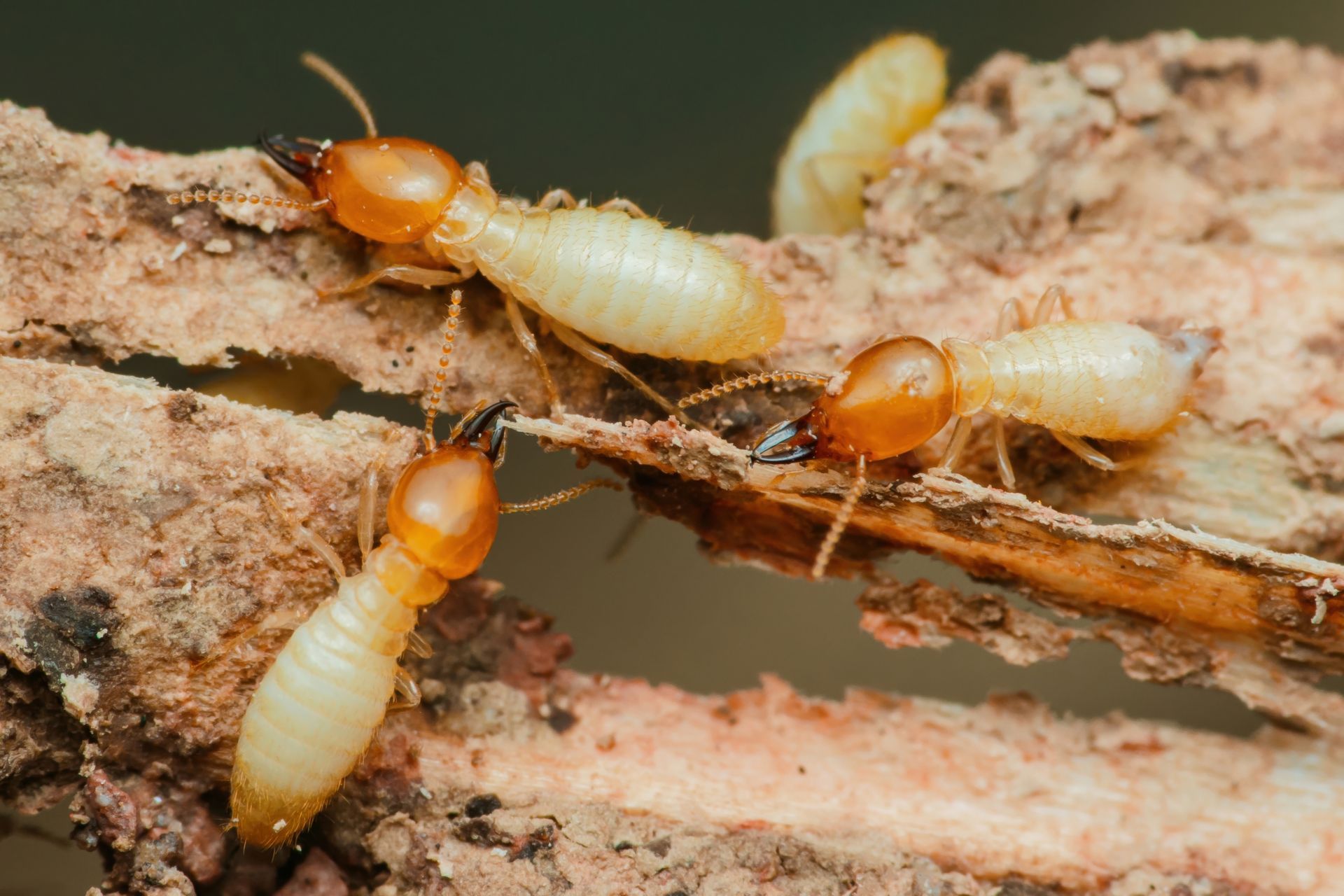
When Eastern Subterranean Termites swarm across Nassau and Suffolk County each spring, a homeowner who calls a national chain often reaches a scheduling center hundreds of miles away — while a local company can dispatch a tech who recognizes termite swarmers on sight and knows exactly which soil type surrounds your foundation. That difference in on-the-ground knowledge is the core reason so many Long Island homeowners choose a locally rooted pest control and termite specialist over a nationally branded competitor.
Who Actually Shows Up at Your Door?
A local company sends a company employee who knows your neighborhood — not a subcontractor pulled from a regional network to fill a slot on a national dispatch board.
National chains deal with high technician turnover industrywide. That means a different face at your door almost every visit, with no memory of the moisture problem near your crawl space or the entry point you flagged last fall. Accountability is thin when the person who treated your home last month is no longer with the company.
A locally operated company assigns a named technician who builds a real service history on your property. When a new pest pressure shows up — say, a rodent entry point that opened up along your foundation in October — that tech already knows your home's weak spots. Continuity translates directly into faster diagnosis and more targeted treatment.
Does Local Knowledge Actually Change the Outcome?
Yes — Long Island-specific knowledge about termite species behavior, soil composition, and seasonal timing directly affects which treatment works and how fast it works.
Suffolk County's sandy loam soils and Nassau's heavier clay both influence how liquid termite barriers absorb and how bait stations should be positioned. A protocol trained in a national classroom does not account for that. Local expertise does. You can learn more about what goes into termite services on Long Island and why treatment selection depends on more than a checklist.
Spring swarm season on Long Island typically runs March through May, triggered by warming soil temperatures. A locally trained tech identifies Eastern Subterranean Termite swarmers versus flying ants on sight — a national call-center rep logging your description into a ticket cannot make that call. Misidentification delays treatment and lets colony pressure grow.
Fall brings a different pressure: mice and rats begin seeking warmth in September and push hard through November. A local company tracks this seasonal pattern and can spot early entry signs specific to the raised ranches and older colonials that make up much of Long Island's housing stock. That timely response limits winter harborage before it becomes a larger infestation.
What National Chain Guarantees Actually Say
National chain guarantees sound reassuring in the marketing materials — but the fine print typically requires continuous service contracts, specific treatment protocols, and may exclude certain structure types or pre-existing conditions.
When a problem comes back and you need resolution, escalation goes to a regional manager you will never meet in person. A local company's guarantee is backed by something more direct: their reputation in the same zip codes where their customers live. If the treatment does not hold, the same named manager who sold you the service is reachable and has a strong reason to make it right.
Transparent local pricing also removes the national overhead markup built into franchise contracts. You pay for the work, not the brand.
Handling Long Island Real Estate Timelines
Long Island real estate closings move fast, and lenders and attorneys here expect transferable Wood Destroying Insect (WDI) reports delivered on tight deadlines.
A national company processing WDI reports through a regional office unfamiliar with Long Island closing timelines can slow the deal. A local company knows those timelines from experience and can turn a termite inspection report around to meet your attorney's schedule. That local familiarity with how deals actually close on Long Island is a practical differentiator, not a marketing claim.
What a Year-Round Protection Plan Should Look Like on Long Island
A well-structured year-round plan follows Long Island's actual four-season pest calendar — termite and ant pressure in spring, stinging pest activity peaking in summer, rodent entry in fall, and continued subterranean termite activity in heated structures through winter.
Fall is the best time to lock in that protection. Homeowners who sign up for a Homeowner Protection Program before winter are covered through rodent season and positioned for spring termite monitoring before swarm season begins. A national plan built around a generic national calendar does not align with those specific Long Island timing windows.
Year-round residential pest control with a consistent local technician also means threats like cockroach pressure in older Long Island homes get addressed as part of a continuous service history, not as a one-off call to a rotating crew.
What to Look for When Hiring a Pest Control Company on Long Island
Knowing what to ask separates a good hire from a frustrating one — here are the factors that matter most for Long Island properties:
- State licensing: Confirm the company and its technicians hold current New York State DEC pesticide applicator licenses.
- Local staff, not subcontractors: Ask directly whether the tech who arrives is a company employee.
- Named point of contact: You should have a direct line to a specific person, not a call-center queue.
- Response time: Local dispatch should reach you same-day or next-day; 48–72 hour waits from a national center are common and costly when pest pressure is active.
- Seasonal knowledge: Ask whether they adjust service timing around Long Island's swarm season and fall rodent window.
- WDI report capability: If you own or are buying a home, confirm they issue transferable termite reports familiar to Long Island lenders and attorneys.
A company that answers these questions with specifics — not script language — is one that actually works in your community.
Choosing a locally rooted pest control and termite specialist on Long Island means faster response, more accurate diagnosis, and a level of accountability that a national brand's contract cannot replicate. The tech who knows your home, your neighborhood's housing stock, and the local pest calendar is simply better positioned to protect your property across every season.
Schedule your termite inspection or year-round protection plan with A A A Abco Termite & Pest Control Inc before winter rodent season is fully underway.