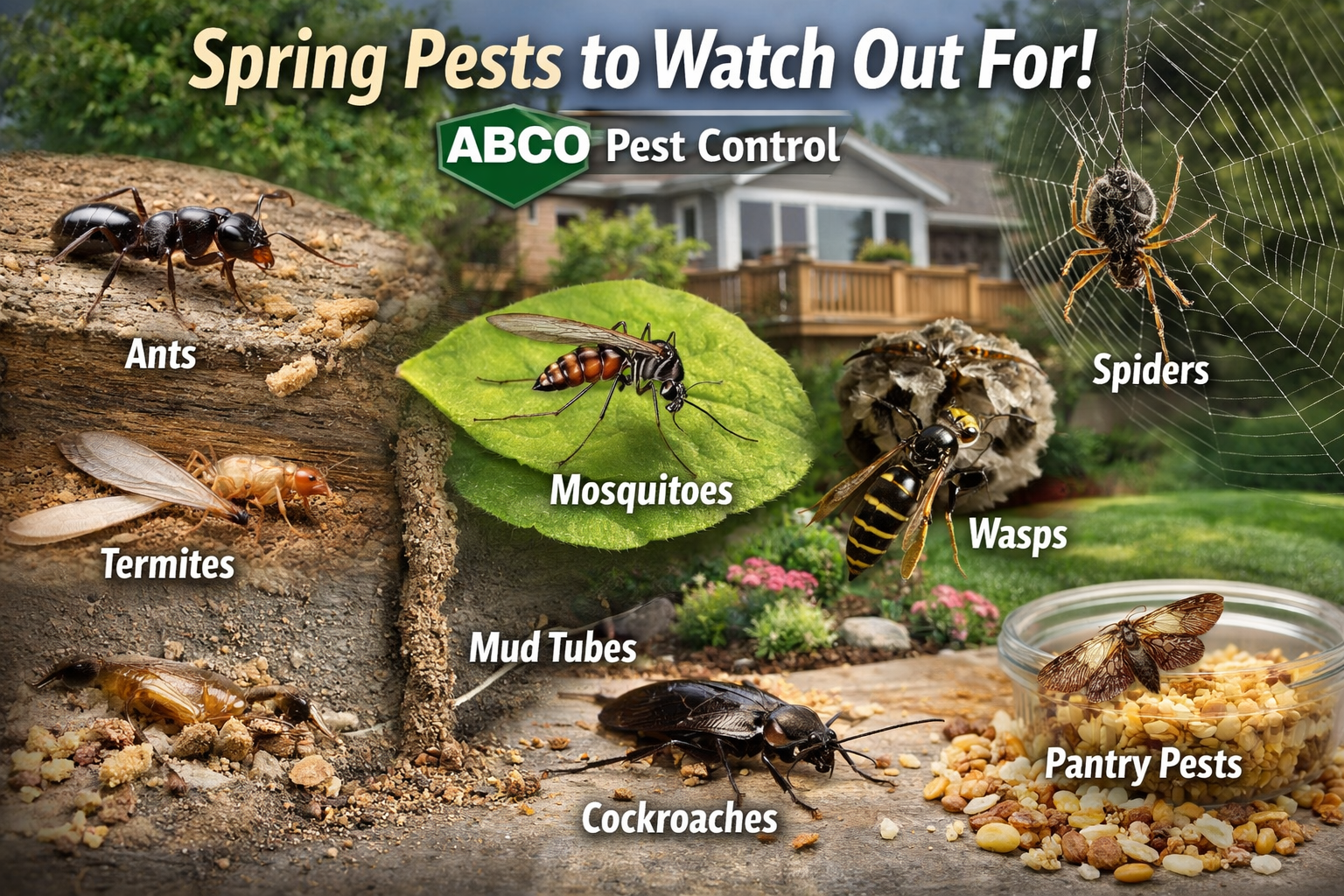
Is Your Yard Ready?
Why the 2026 Early Pest Season Makes Pest Control on Long Island Critical This May
What’s Happening This Year (Quick Overview)
A harsh winter doesn’t kill pests—it can actually protect them.
- Heavy snow acted like insulation
- Pests survived in higher numbers underground
- Warmer temps are triggering earlier and faster activity
- What normally takes 8 weeks is happening in ~3 weeks
Bottom line: May 2026 is a critical window for pest control on Long Island.
Why This Is Happening (Simple Explanation)
This is called the “insulation effect.”
- Snow prevented deep ground freezing
- Pests stayed protected in soil and foundations
- Now they’re emerging:
- Earlier
- Hungrier
- In larger numbers
The 3 Biggest Pest Problems Right Now
1. Early Mosquito Surge
- Snowmelt = standing water everywhere
- Gutters, yards, and decks become breeding zones
- Mosquitoes are already hatching earlier than usual
What to do:
Eliminate standing water now before populations explode.
2. Ant Invasions
- Ants are actively searching for food
- Kitchens become the #1 target
- One ant = a scout, not a random bug
What to do:
Act immediately—colonies can move in fast.
3. Crickets in Basements & Crawlspaces
- Survived in mulch beds during winter
- Now moving into dark, damp areas
Problems they cause:
- Constant noise
- Damage to fabrics and paper
Why May Is Critical for Termites
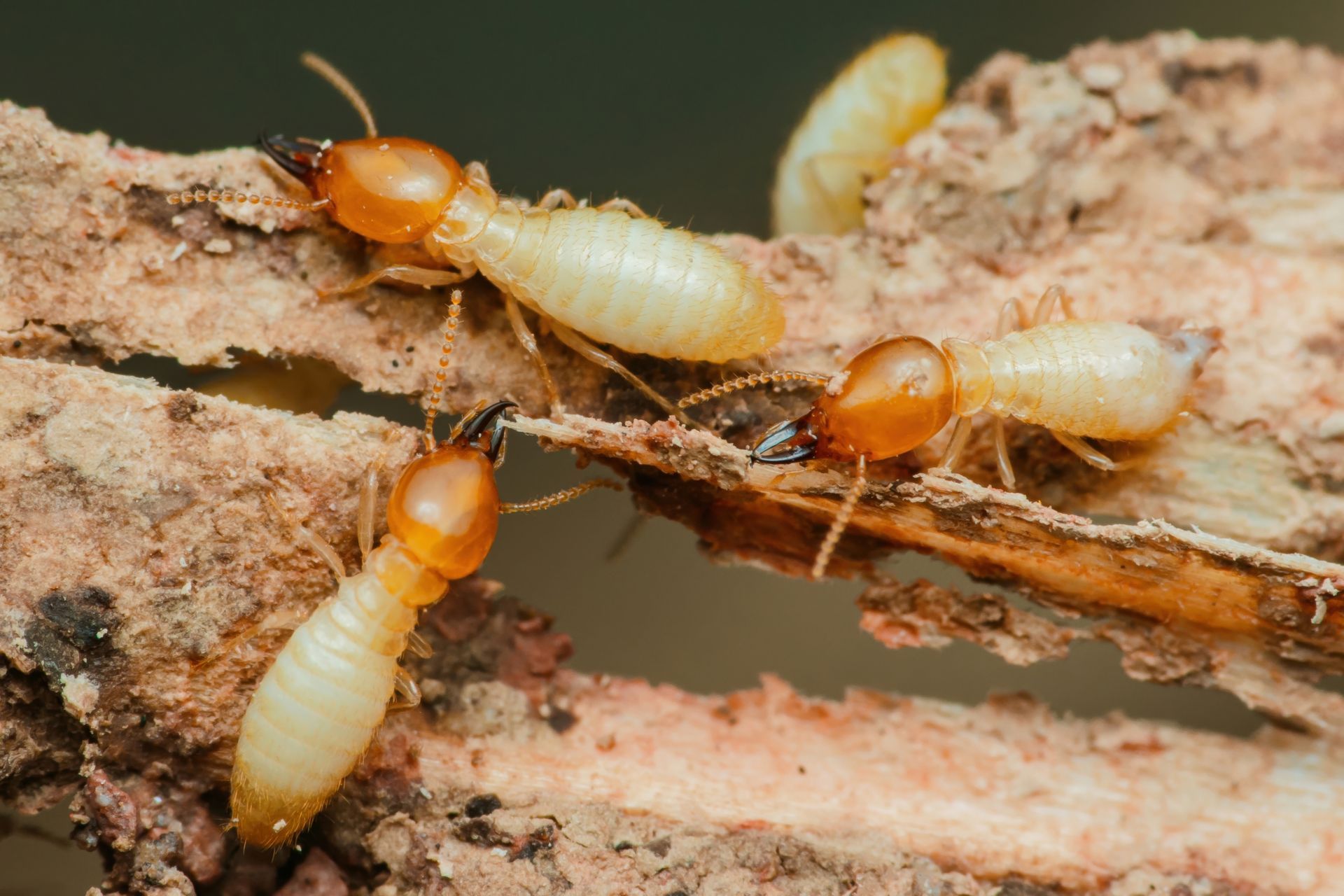
May = Termite Swarm Season
Watch for:
- Mud tubes on foundation walls
- Sawdust-like droppings (frass)
- Winged insects near windows
Important:
These are early warning signs of structural damage.
Proactive vs Reactive Pest Control
Reactive (What Most People Do)
- Wait until there’s a visible problem
- More expensive
- More stressful
Proactive (What Works Better)
- Treat perimeter early
- Stop pests before they enter
- Prevent infestations entirely
Year-Round Protection Strategy
Pest control isn’t one-time—it’s seasonal.
Quarterly approach:
- Spring: Prevent entry + breeding
- Summer: Control active pests
- Fall: Block overwintering
- Winter: Maintain protection
Quick May Prevention Checklist
- Move mulch & firewood away from foundation
- Fix leaks and moisture issues
- Repair window screens
- Seal cracks and entry points
Reduce the “Mental Load” of Home Maintenance
Home maintenance adds up fast.
To stay organized:
- Set reminders for treatments
- Schedule seasonal inspections
- Use tools to track recurring tasks
This helps avoid missed issues and last-minute stress.
Why Choose AAA ABCO
- Family-owned & operated
- Veteran-owned (detail-focused, disciplined service)
- Local expertise for Long Island conditions
- 24-hour emergency service available
Take Action Now
May is the tipping point.
What you do now determines:
Pest-free summer
or
Constant problems all season
Ready to Protect Your Home?
Call: 631-979-7378
Website: www.abcoextermigator.com
Get ahead of the surge—don’t wait until pests are already inside.
Frequently Asked Questions
1. Why are there more pests on Long Island this April?
The heavy snow this winter actually protected pest populations instead of killing them. The snow insulated the ground, allowing ants, termites, crickets, and other pests to survive in larger numbers. Now that temperatures are rising, they’re emerging earlier and more aggressively than usual.
2. Do harsh winters kill pests or make them worse?
It’s a common myth that cold winters eliminate pests. In reality, heavy snow can act like insulation, protecting pests underground. This year’s conditions created a perfect environment for higher survival rates and an early spring surge.
3. Why am I already seeing mosquitoes in April?
Snowmelt has created standing water in gutters, yards, and low areas, which are ideal breeding grounds for mosquitoes. With warmer temperatures arriving early, mosquito larvae are hatching sooner than normal.
4. Why are ants suddenly appearing in my kitchen?
Ants are actively searching for food after winter. If you’re seeing a few ants, they are likely scouts looking for food sources. Once they find something, they can quickly bring the entire colony into your home.
5. Are crickets a problem or just annoying?
Crickets are more than a nuisance. While their chirping is disruptive, they can also damage fabrics, paper, and stored items—especially in basements and crawlspaces where they thrive.
6. What are the signs of termites I should look for in April?
Common signs include:
- Mud tubes on foundation walls
- Sawdust-like droppings (frass)
- Winged insects near windows or lights
These are early warning signs of a potential termite infestation and should be addressed immediately.
7. Why is April the most important month for pest control?
April is when pests begin emerging rapidly due to warming temperatures. Acting now allows you to stop infestations before they start, rather than dealing with larger, more expensive problems later in the summer.
8. Is it better to treat pests now or wait until I see them?
It’s always better to treat proactively. Waiting until pests are visible usually means the infestation is already established, which makes treatment more costly and time-consuming.
9. How can I prevent pests around my home this spring?
Simple steps include:
- Removing standing water
- Moving mulch and firewood away from your home
- Sealing cracks and entry points
- Fixing leaks and moisture issues
- Repairing window screens
- These actions reduce the chances of pests entering your home.
10. Do I need ongoing pest control or just a one-time service?
Pest control works best as a year-round strategy. Seasonal treatments help prevent different types of pests throughout the year, keeping your home consistently protected instead of reacting to problems as they arise.
Seeing pests already? Don’t wait for it to get worse.
Call now for fast, local pest control on Long Island and stop the problem before it spreads.