
Spiders
Reducing Spider Populations Inside and Around Structures
Spider Control in Long Island for properties where spiders establish webs in basements, garages, entry areas, and outdoor structures
Cellar spiders cluster in basement corners and crawl spaces, building dense webs where insects are abundant, while larger house spiders and wolf spiders enter through foundation cracks and poorly sealed doors, establishing populations that expand as long as prey remains available. Spider activity in Long Island homes and businesses reflects underlying insect pressure: the more ants, flies, and other small insects present, the more spiders move indoors to exploit that food source. A A A Abco Termite & Pest Control Inc addresses spider control by reducing the prey populations that sustain them, treating entry points where spiders access structures, and removing webs from areas where they create visibility or cleanliness concerns for residential and commercial properties in Stony Brook and throughout Nassau County and Suffolk County.
Spiders establish themselves in undisturbed areas with nearby insect activity: basements with ground-level windows that leak air and insects, garages with gaps under doors, attics with ventilation openings that aren't screened, and exterior spaces like sheds, porches, and deck undersides where flying insects accumulate near lighting. Seasonal activity increases in fall when spiders move indoors seeking overwintering sites, and in spring when newly hatched spiderlings disperse from egg sacs deposited the previous year.
Request a spider inspection to identify what's attracting spiders and what insect populations are supporting their continued presence indoors.
How Spider Treatment Reduces Indoor and Outdoor Activity
The process starts with inspecting areas where spiders build webs and hide during the day—basements, crawl spaces, garages, window wells, door frames, and exterior corners where insects congregate near lighting—then treating with residual insecticides along baseboards, foundation perimeters, and entry points where spiders travel between outdoor and indoor environments. Web removal follows treatment, clearing visible webs from corners, ceilings, light fixtures, and siding, though new webs will reappear if the underlying insect population isn't controlled.
After treatment, spider sightings decrease noticeably in basements and garages, new webs stop forming in previously heavy activity areas, and outdoor structures like sheds and porches remain clearer of webs between maintenance visits. A A A Abco Termite & Pest Control Inc combines spider treatment with broader insect control, addressing the ants, flies, and other prey species that draw spiders into structures in the first place, producing longer-lasting results than web removal alone.
For properties with persistent spider activity, treatment addresses exterior harborage sites like woodpiles, dense ground cover, and debris near foundations where spiders establish populations before moving indoors, and identifies moisture issues in basements or crawl spaces that attract insects and create favorable conditions for both prey and predator species. Commercial properties benefit from scheduled web removal and perimeter treatment that maintains professional appearance without visible pest activity around entryways or loading areas.
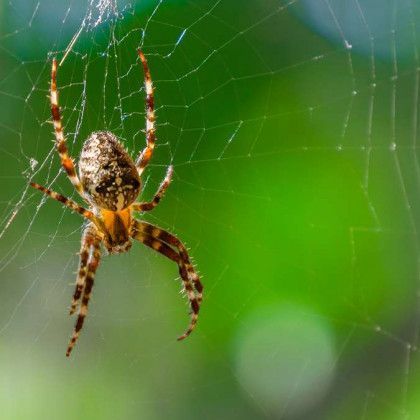
A A A Abco Termite & Pest Control Inc provides spider control for residential and commercial properties across Long Island, reducing indoor spider populations and maintaining clear conditions in basements, garages, and outdoor structures. Contact us to schedule an inspection and develop a treatment plan that addresses both spiders and the insect activity supporting their presence on your property.
Questions About Controlling Spider Populations
Spider control involves managing both the spiders themselves and the conditions that support their presence indoors and around structures. These questions address common concerns for residential and commercial properties in Long Island.
Why do spiders keep coming back even after webs are removed? Web removal eliminates the visible evidence but doesn't address the spider population or the insect prey that attracted them, meaning spiders will rebuild webs as long as food sources remain available and entry points stay unsealed.
What attracts spiders into basements and garages in Long Island homes? Spiders follow insect prey into these spaces, drawn by ants, flies, and other small insects that enter through foundation cracks, ground-level windows, and gaps around utility penetrations, making these areas ideal hunting grounds where spiders build webs to intercept flying and crawling prey.
Are spiders in Long Island dangerous to people or pets? Most spiders found in Long Island properties are nuisance species like cellar spiders, house spiders, and wolf spiders that pose no medical threat, though their presence indoors creates cleanliness concerns and webs accumulate quickly in undisturbed areas like storage rooms and corners.
How does outdoor lighting contribute to spider activity near doors and windows? Exterior lights attract flying insects at night, which in turn attract spiders that build webs near light fixtures and around door frames to catch the concentrated prey, making entry points near lighting high-activity zones for both insects and spiders during warmer months.
How often should spider control service be performed to keep webs from returning? A A A Abco Termite & Pest Control Inc recommends quarterly spider treatment for Long Island properties with recurring activity, timed to address seasonal increases in spring and fall when spiders are most active, with web removal and perimeter treatment maintaining clear conditions between services.