
Wasp vs Yellow Jacket: Comprehensive Pest Control Strategies
Understanding the difference between a wasp and a yellow jacket is crucial for effective pest control and preventing unwelcome stings. These insects, though similar in appearance and behavior, demand distinct strategies for management and elimination. The significance of distinguishing between them goes beyond mere taxonomy; it’s about recognizing the specific threats they pose and the best methods to mitigate these risks. This knowledge contributes to maintaining a safer outdoor environment and plays a vital role in preserving the ecological balance by controlling pests without harming beneficial insects such as bees.
This article delves into the key characteristics that set wasps apart from yellow jackets and the essential tools and materials needed for effective pest control. It outlines a comprehensive step- by-step approach to managing infestations, including preventive measures to maintain a pest-free environment. By the conclusion, readers will be equipped with practical knowledge of treatments and strategies to tackle these familiar yet challenging foes, ensuring safety and peace of mind in their homes and gardens.
Identifying Stinging Insects
– Appearance and Habits
Yellowjackets are known for their distinctive black and yellow banded abdomen, making them easily recognizable. They are aggressive, especially when their nests are disturbed, often leading to multiple painful stings [11]. On the other hand, paper wasps have longer waists and legs and are generally less aggressive unless their nests are directly threatened. They can be identified by their slender, segmented bodies and the way they dangle their long legs during flight [7]. Mud daubers are solitary with a thread-waisted appearance and build intricate mud nests, usually attended by a single female [10].
– Common Nesting Sites
Yellowjackets often build their nests underground in abandoned rodent burrows or enclosed spaces like wall cavities or dense ivy [11]. Paper wasps hang their paper nests in protected areas such as under eaves or attics [10]. Mud daubers construct their nests using sheltered spots like ceilings and walls [10]. Understanding these common nesting sites is crucial for effective pest control and avoiding unwanted encounters
Tools and Materials Needed
– Protective Gear
Protective gear is essential for those handling wasp or hornet infestations to prevent stings. A comprehensive suit should include veils, suits or jackets, gloves, and boots. Veils protect the face, a common target for wasps [13]. Suits cover the body extensively, while gloves and boots protect hands and feet, which are also vulnerable during pest control activities [13]. Additionally, lightcolored, loose-fitting clothing can deter wasps, often attracted to dark, tight-fitting attire [15].
– Insecticides and Repellents
Effective pest control requires the proper insecticides and repellents. Pyrethroid-based aerosols like Terro Wasp & Hornet Killer are recommended for direct action due to their quick knockdown capabilities [18]. For broader area treatment, Cedarcide Outdoor Bug Control can be sprayed on lawns and home exteriors to kill and repel wasps by removing their food sources [20]. Additionally, non-toxic options like peppermint oil or natural insecticide sprays offer safer alternatives that are still effective in repelling wasps [21]. For persistent problems, applying insecticide dust around the perimeter of properties can control larger populations [16]
Step-by-Step Control Methods
– Locating the Nest
To effectively manage yellowjacket populations, one must first locate their nests. Yellowjackets typically establish nests underground, often in old gopher holes or within wood piles and dense vegetation like Italian cypress and ivy [22][24]. They are most active during the warmer parts of the day, usually between 10 am and 4 pm, making this the optimal time for nest identification [24]. Observing the insects’ flight patterns can be particularly telling, as they often move in a direct line to and from their nest. If direct observation proves challenging, placing a protein-based bait such as tuna or chicken skin near suspected areas can help; yellowjackets will carry the bait back to their nest, allowing for easier tracking [23][24].
– Application of Treatments
Once the nest is located, treatment can begin, ideally during the evening when yellow jackets are less active [23][27]. Approaching the nest cautiously is crucial, as disturbing it can provoke an aggressive response. Protective gear is essential to prevent stings [25]. Various treatment options are available:
Chemical Insecticides: Using aerosols or dust formulations like Striker Wasp and Hornet Killer or Defense Dust directly on the nests provides effective control [25]. Applying these treatments directly to the nest’s entry points is essential, ensuring thorough coverage.
Natural Remedies: For those preferring less chemical-heavy approaches, covering the nest’s entrance with heavy bowls to trap and starve the insects or using peppermint oil as a repellent are viable methods [26]. Additionally, a mixture of peppermint castile soap and water poured into the nest can be effective in destroying underground nests [26].
Mechanical Methods: Employing a wet-dry vacuum filled with soapy water to remove yellow jackets physically is another option, mainly when dealing with accessible nests [26].
Each method requires careful execution and may need to be repeated to ensure complete eradication of the yellowjackets.
Maintaining a Pest-Free Environment
Regular inspections and long-term prevention strategies are crucial to maintain a pest-free environment. Homeowners should conduct thorough assessments of their property, especially in early spring. They should check the home’s exterior, garages, and structures like sheds for signs of wear, such as holes, broken siding, and crevices, which can invite wasp species [28]. Sealing these gaps and removing materials like old cardboard and wood that wasps use for nest construction can deter their presence [28][29].
– Regular Inspections
Regular property inspections help identify early signs of yellow jacket activity. Sealing cracks and gaps on the house’s exterior and installing yellow jacket traps or deterrents near vulnerable areas are advisable [29]. These actions, along with professional exterminator services, can prevent the establishment of nests and reduce attractants [29].
– Long-Term Prevention
For long-term prevention, eliminate potential food sources by disposing of food scraps in sealed bags and keeping trash can lids closed [28][32]. Removing fallen fruits from properties and covering pet foods are also effective strategies [28][31]. Additionally, planting crops like spearmint, thyme, and lemongrass can deter wasps due to their repellent properties [32]. Using essential oils such as lavender and peppermint around the home can further prevent wasp settlements [32].
Conclusion
Through this article, we’ve explored the distinguishing characteristics between wasps and yellow jackets, outlined effective pest control strategies, and emphasized the importance of proactive measures to maintain a pest-free environment. Individuals can ensure safety and peace in their homes and gardens by recognizing the specific threats these insects pose and the distinct approaches needed for their management. The knowledge shared here not only aids in immediate pest control but also contributes to a long-term solution that respects our ecological balance, emphasizing preventive measures and the use of both chemical and natural remedies.
The journey towards managing these stinging pests is one of vigilance, awareness, and action. Whether opting for DIY solutions or professional assistance, the goal remains to create safe, enjoyable outdoor spaces for all. Should the challenge prove too daunting, or if further guidance is needed, please call the XTERMIGATOR at 631-979-pest for more info. Pursuing a pest-free environment is about dealing with nuisances and fostering a harmonious coexistence with the natural world around us
FAQs
1. What methods do pest control professionals use to deter wasps?
Pest control experts often use residual insecticides like Tempo or Suspend to treat structures and deter wasps. Termidor is also highly recommended. These treatments are effective because wasps constantly search for new nesting sites in the spring and shelter in the fall. Applying these insecticides can repel wasps and prevent them from nesting in treated areas.
2. How do yellow jackets differ from other wasps?
Yellow jackets are a specific type of wasp belonging to the Vespula and Dolichovespula genera. In the United States, these wasps are called yellow jackets. They are generally smaller and more aggressive than other wasp species, making them more likely to sting, although their stings are typically less painful.
3. What is the most effective product for eliminating yellow jackets?
The most effective products for killing yellow jackets include:
Sylo Insecticide (Emulsifiable Concentrate), available in a 16-ounce size for around $59.99.
D-Fense Dust Insecticide, available in a 1-pound size for about $12.33.
Stryker Wasp and Hornet Killer (Aerosol), available in a 15-ounce size for approximately $14.82.
4. What scents are disliked by wasps and yellow jackets? Wasps and yellow jackets are repelled by the smell of mint. Planting mint around your home or placing pots of mint in areas frequently visited by these pests can help keep them at bay. This natural deterrent is handy where wasps and yellow jackets are common.
About the Author:
Eric Fishon, also known as The XTERMIGATOR, represents the mascot of ABCO Pest Control, a 4th-generation family and veteran-owned business in Stony Brook, NY. Eric holds a degree in Urban Pest Management from the University of Florida, an MBA from Hellenic American College, an MTS from Nations University, and a DHA from Virginia University at Lynchburg.
Eric is dedicated to giving back to the community through social media platforms. He provides valuable insights on pest control, supports individuals with unseen disabilities, and shares the strength of faith in overcoming life’s challenges. Connect with Eric and learn more through his websites and YouTube channel:
God Family Gators
Xtermigator
YouTube: Xtermigator

Discover why Long Island homeowners pick a local pest control and termite specialist over national chains — better response times, real accountability, and true local knowledge.
Learn what a professional termite inspection covers in Stony Brook, why local soil and housing conditions matter, and when a real estate report is required.

As temperatures rise and gardens burst into bloom, many homeowners discover an unwelcome guest on their plants—aphids.

If you step out into your Long Island backyard this week, you might see a peaceful landscape. But beneath that calm surface, a massive "guest list" is being finalized for the biggest party of the year.
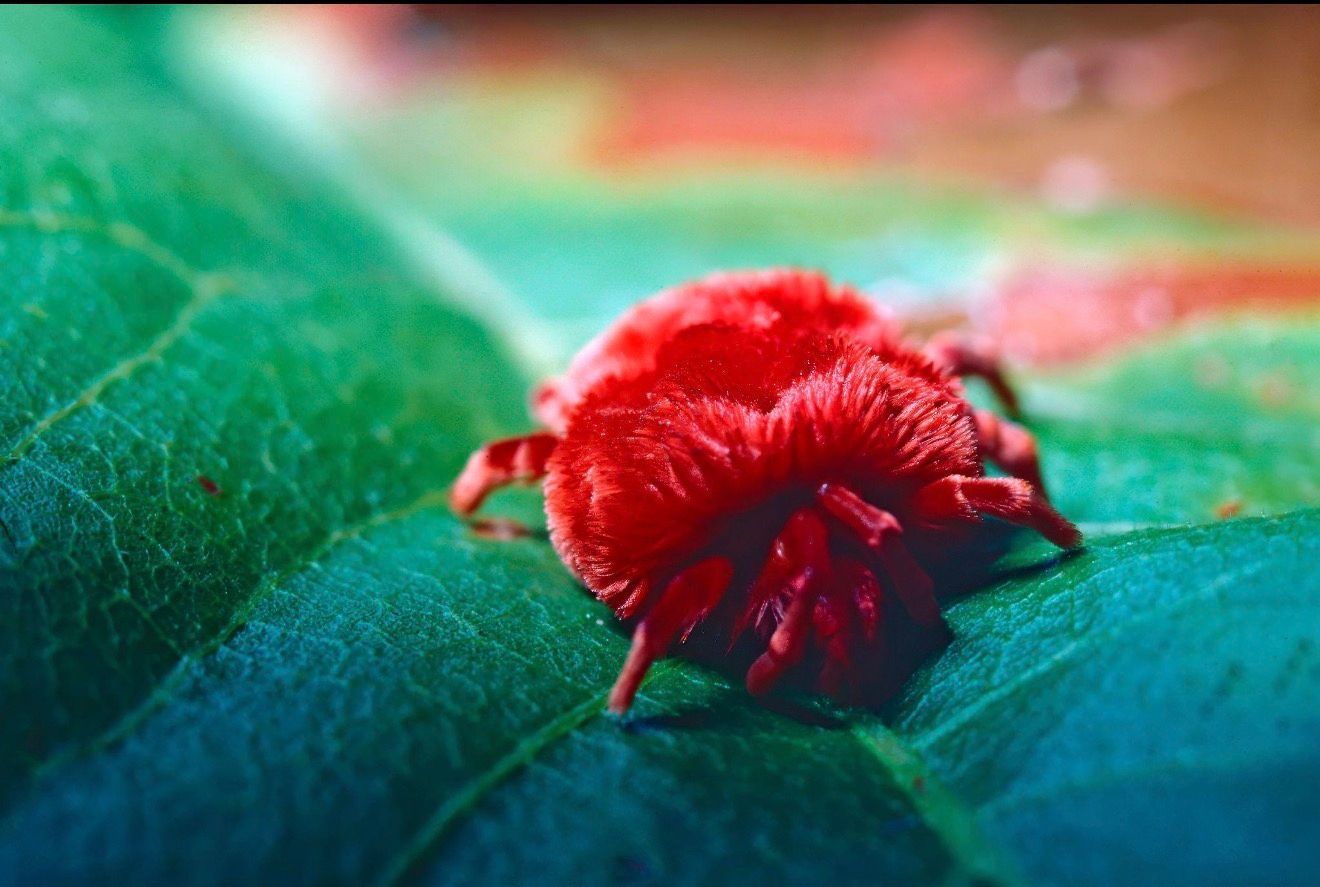
When homeowners spot tiny bright-red bugs crawling across patios, foundations, mulch beds, or sidewalks, panic often sets in.
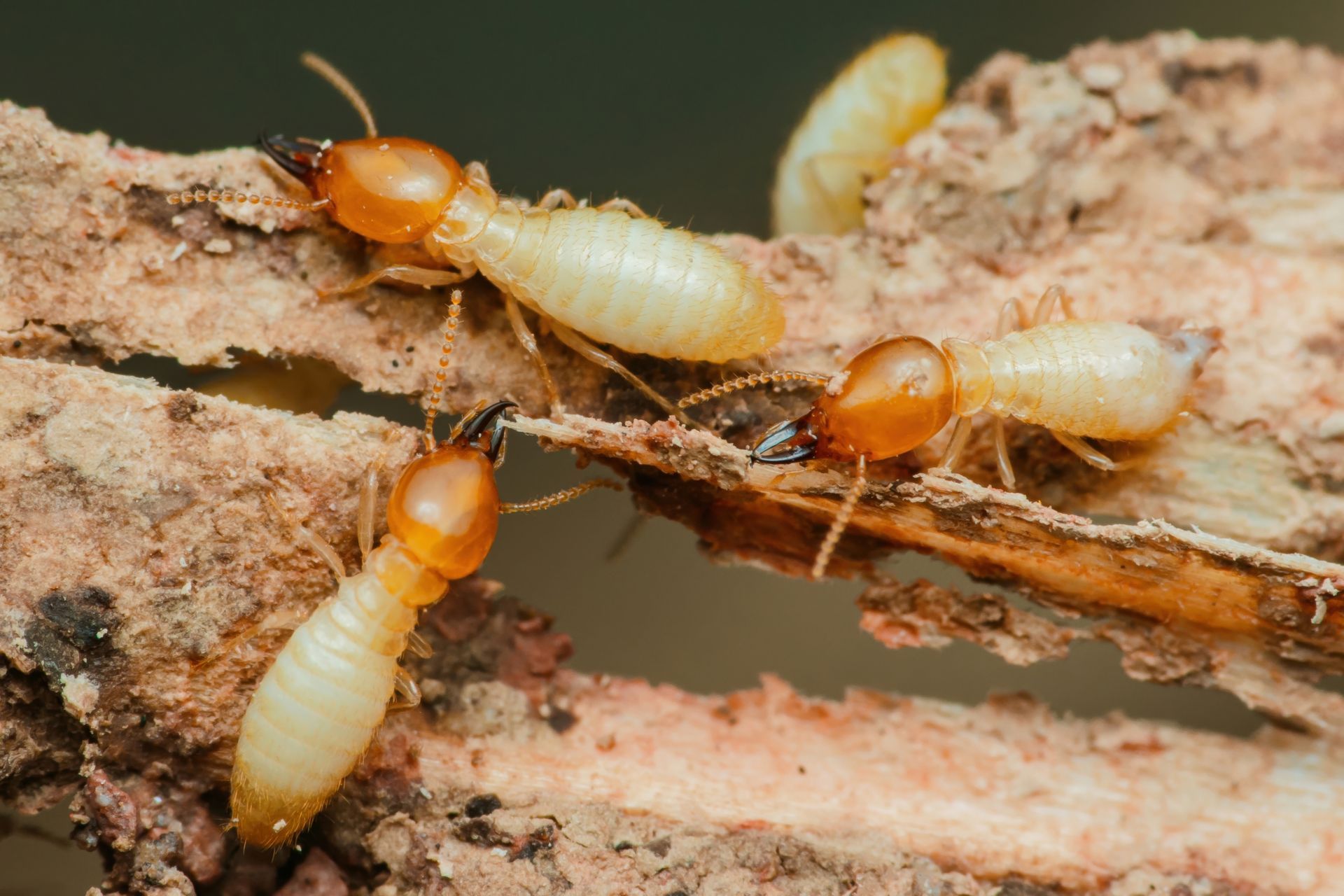
It is mid-March on Long Island. The frost is finally retreating from the soil, and the air carries that specific dampness that signals the return of spring.
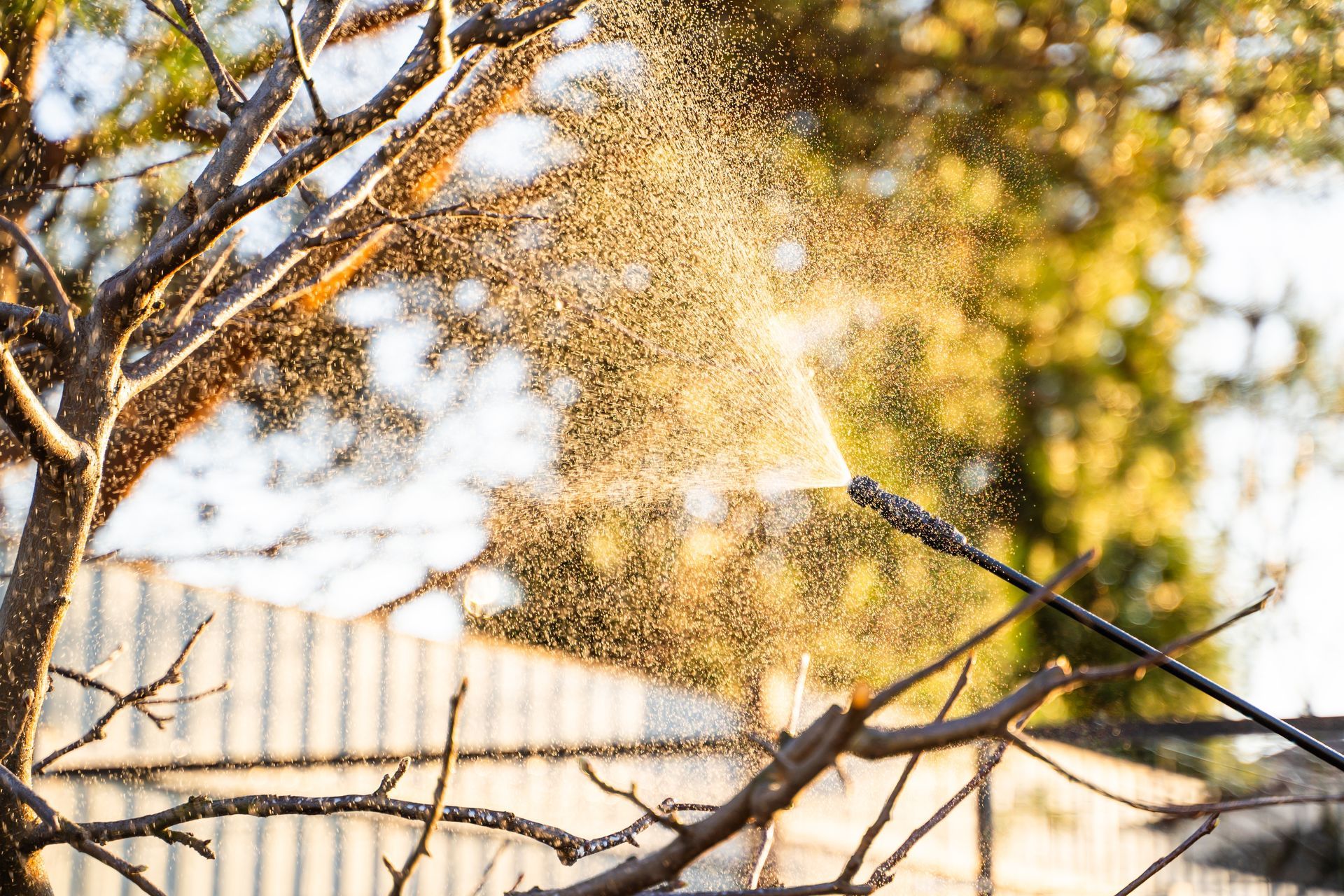
Prepare your yard for pests this season. Learn proactive strategies & contact us for a free estimate today!

There is nothing quite like a Long Island summer. After months of gray skies and shivering through Nor'easters, opening the pool feels like a rite of passage.

Worried about smells or pests in your crawl space? Learn safe, non-chemical moisture and pest control fixes with this step-by-step IPM guide from ABCO XTERMIGATORS.