
XTERMIGATOR REPORT LADY BUGS
Greetings from XTERMIGATOR, your friendly neighborhood mascot here at ABCO Termite and Pest Control! As a proud representative of a veteran-owned and family-operated business spanning four generations, I’m buzzing with excitement to share some intriguing insights into the world of pest control with our esteemed clients and community. Today, I’ll unravel a curious phenomenon that occurs with our friends the Lady Bugs. So, let’s dive in!
The Exterminator Report: Managing Ladybugs in and Around Your Home
Ladybugs, often celebrated for their charming appearance and considered harbingers of good luck, can become quite the nuisance when they invade our homes in search of warmth during the cooler months. In this report, we delve into effective pest control strategies for managing ladybug infestations, while also highlighting the ecological benefits these beetles offer.
Understanding Ladybugs and Their Benefits
Before we explore eradication techniques, it’s crucial to acknowledge the significant role ladybugs play in our ecosystems. Introduced into the U.S. to combat aphid populations, ladybugs (both adult beetles and larvae) voraciously consume hundreds of aphids daily. Their appetite for these pests makes them invaluable allies in maintaining the health of ornamental, vegetable plants, and field crops. Throughout the summer, they naturally reside outdoors, contributing to the ecological balance by preying on aphids and other plant pests.
As fall approaches, ladybugs seek warmth and shelter, often congregating on the exteriors of houses and buildings. It is during this period that homeowners notice an uptick in ladybug populations around and inside their residences.
Strategies for Keeping Ladybugs at Bay Exterior Prevention
The cornerstone of ladybug management is preventing their entry into homes. Homeowners are encouraged to:
– Seal Entry Points– Inspect and seal cracks around windows, doors, siding, and utility pipes to prevent ladybugs from entering.
– Repair Screens – Ensure window and door screens are intact and free from tears.
– Maintain Vegetation: Keep shrubbery and tree branches trimmed away from the house to reduce ladybug resting and breeding sites.
### Interior Management
For ladybugs that have already made their way indoors, consider the following tips:
– **Vacuum Removal**: Use a vacuum cleaner to gently remove ladybugs from walls, windows, and other surfaces. This method avoids the stains that can result from crushing them.
**Avoid Chemical Pesticides**: Given their beneficial role outdoors, and the fact that they pose no health risk to humans, using chemical pesticides indoors against ladybugs is generally discouraged.
## Professional Pest Control Solutions
For persistent infestations, professional pest control services offer tailored solutions to manage ladybug populations effectively, ensuring they are kept out of your living spaces. Our company specializes in environmentally responsible methods that respect the ecological role of ladybugs while safeguarding your home from unwanted guests.
# Educational Resources
Understanding the ecological impact and the behavior of ladybugs is key to managing their presence in and around our homes. For those interested in learning more about ladybugs and integrated pest management techniques, numerous resources are available:
– **Extension Services**: Many state university extension services offer detailed guides on managing ladybugs and other household pests.
– **Entomological Societies**: Organizations such as the Entomological Society of America provide scientific insights into ladybugs and their role in pest control.
– **Environmental Protection Agency (EPA)**: The EPA offers guidelines on safe pest control practices that minimize environmental impact.
In conclusion, while ladybugs are undeniably beneficial for our gardens and crops, their seasonal migration into our homes can become a source of frustration. By adopting preventive measures and utilizing safe removal techniques, homeowners can manage ladybug populations effectively. For challenging infestations, professional pest control services offer expertise and solutions tailored to respect both the environment and the unique role these beetles play in it.The XTERMIGATOR!
The Exterminator Report: Managing Ladybugs in and Around Your Home
Ladybugs, often celebrated for their charming appearance and considered harbingers of good luck, can become quite the nuisance when they invade our homes in search of warmth during the cooler months. In this report, we delve into effective pest control strategies for managing ladybug infestations, while also highlighting the ecological benefits these beetles offer.
Understanding Ladybugs and Their Benefits
Before we explore eradication techniques, it’s crucial to acknowledge the significant role ladybugs play in our ecosystems. Introduced into the U.S. to combat aphid populations, ladybugs (both adult beetles and larvae) voraciously consume hundreds of aphids daily. Their appetite for these pests makes them invaluable allies in maintaining the health of ornamental, vegetable plants, and field crops. Throughout the summer, they naturally reside outdoors, contributing to the ecological balance by preying on aphids and other plant pests.
As fall approaches, ladybugs seek warmth and shelter, often congregating on the exteriors of houses and buildings. It is during this period that homeowners notice an uptick in ladybug populations around and inside their residences.
Strategies for Keeping Ladybugs at Bay Exterior Prevention
The cornerstone of ladybug management is preventing their entry into homes. Homeowners are encouraged to:
– Seal Entry Points– Inspect and seal cracks around windows, doors, siding, and utility pipes to prevent ladybugs from entering.
– Repair Screens – Ensure window and door screens are intact and free from tears.
– Maintain Vegetation: Keep shrubbery and tree branches trimmed away from the house to reduce ladybug resting and breeding sites.
### Interior Management
For ladybugs that have already made their way indoors, consider the following tips:
– **Vacuum Removal**: Use a vacuum cleaner to gently remove ladybugs from walls, windows, and other surfaces. This method avoids the stains that can result from crushing them.
**Avoid Chemical Pesticides**: Given their beneficial role outdoors, and the fact that they pose no health risk to humans, using chemical pesticides indoors against ladybugs is generally discouraged.
## Professional Pest Control Solutions
For persistent infestations, professional pest control services offer tailored solutions to manage ladybug populations effectively, ensuring they are kept out of your living spaces. Our company specializes in environmentally responsible methods that respect the ecological role of ladybugs while safeguarding your home from unwanted guests.
# Educational Resources
Understanding the ecological impact and the behavior of ladybugs is key to managing their presence in and around our homes. For those interested in learning more about ladybugs and integrated pest management techniques, numerous resources are available:
– **Extension Services**: Many state university extension services offer detailed guides on managing ladybugs and other household pests.
– **Entomological Societies**: Organizations such as the Entomological Society of America provide scientific insights into ladybugs and their role in pest control.
– **Environmental Protection Agency (EPA)**: The EPA offers guidelines on safe pest control practices that minimize environmental impact.
In conclusion, while ladybugs are undeniably beneficial for our gardens and crops, their seasonal migration into our homes can become a source of frustration. By adopting preventive measures and utilizing safe removal techniques, homeowners can manage ladybug populations effectively. For challenging infestations, professional pest control services offer expertise and solutions tailored to respect both the environment and the unique role these beetles play in it.The XTERMIGATOR!

Discover why Long Island homeowners pick a local pest control and termite specialist over national chains — better response times, real accountability, and true local knowledge.
Learn what a professional termite inspection covers in Stony Brook, why local soil and housing conditions matter, and when a real estate report is required.


As temperatures rise and gardens burst into bloom, many homeowners discover an unwelcome guest on their plants—aphids.

If you step out into your Long Island backyard this week, you might see a peaceful landscape. But beneath that calm surface, a massive "guest list" is being finalized for the biggest party of the year.

When homeowners spot tiny bright-red bugs crawling across patios, foundations, mulch beds, or sidewalks, panic often sets in.
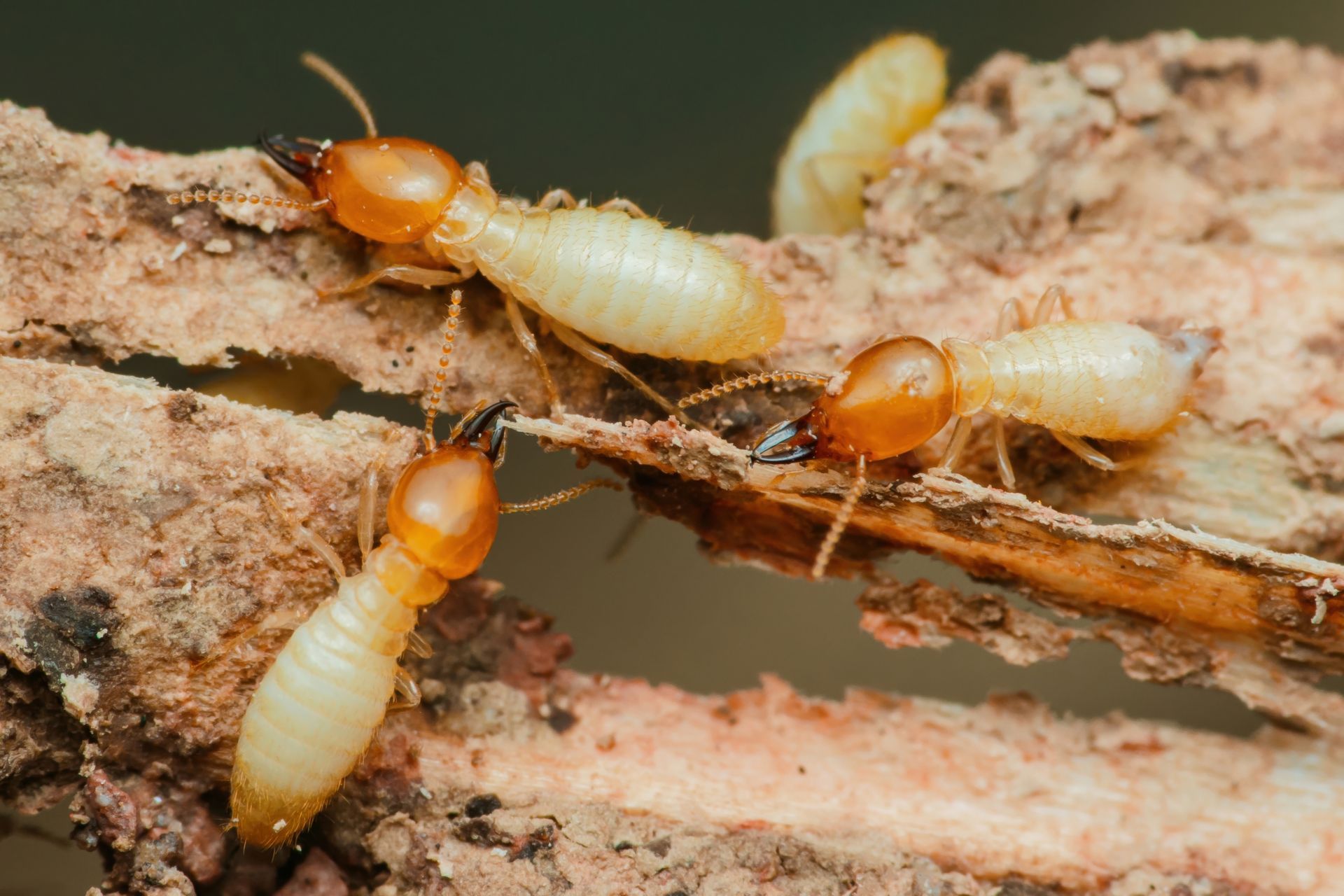
It is mid-March on Long Island. The frost is finally retreating from the soil, and the air carries that specific dampness that signals the return of spring.
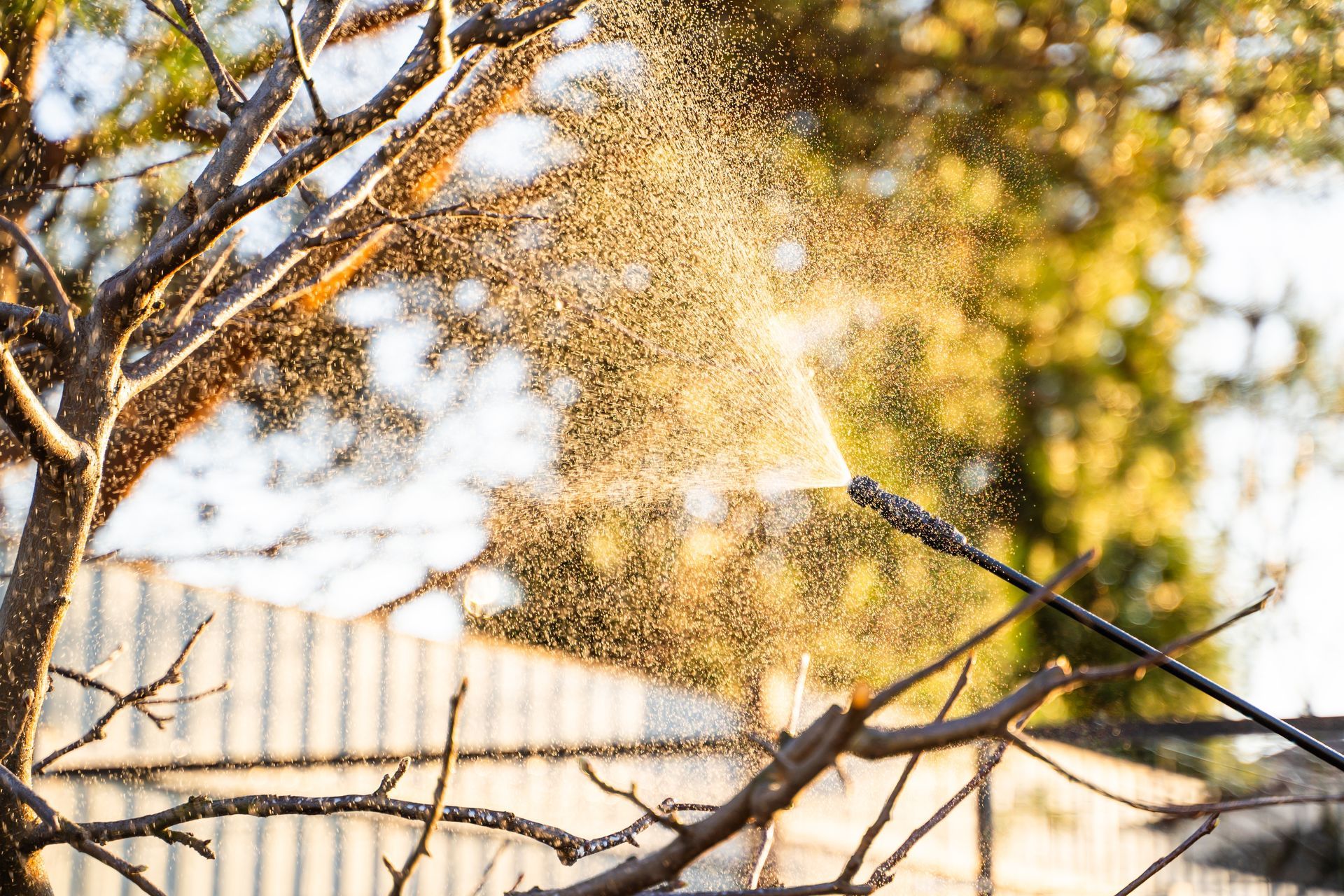
Prepare your yard for pests this season. Learn proactive strategies & contact us for a free estimate today!

There is nothing quite like a Long Island summer. After months of gray skies and shivering through Nor'easters, opening the pool feels like a rite of passage.

Worried about smells or pests in your crawl space? Learn safe, non-chemical moisture and pest control fixes with this step-by-step IPM guide from ABCO XTERMIGATORS.