Understanding Stinging Insects: A Homeowner’s Guide for Summer 2024
By XTERMIGATOR, Mascot of ABCO Pest Control in Long Island, NY
As summer 2024 approaches, homeowners in Long Island are preparing to enjoy the warm weather and outdoor activities. However, with the pleasant weather comes an unwelcome challenge: stinging insects. At ABCO Pest Control, we’re here to help you understand these pests and offer practical tips to keep them at bay.
What Are Stinging Insects?
Stinging insects are a broad category of pests that can inflict painful stings. These insects include:
– Wasps: Known for their slender bodies and aggressive nature, wasps can sting multiple times.
– Hornets: Larger than wasps, hornets have powerful stings and can be very protective of their nests.
– Yellow Jackets: Often mistaken for bees, yellow jackets are aggressive scavengers that can sting multiple times.
– Bees: While generally less aggressive, bees will sting if threatened. Honeybees and bumblebees are the most common types.
Identifying Stinging Insects
Recognizing these insects is the first step in preventing stings:
1. Wasps: Slender bodies, narrow waists, and smooth bodies. They often build nests in sheltered areas.
2. Hornets: Robust, with large, rounded bodies and white or yellow markings. Nests are usually found in trees or shrubs.
3. Yellow Jackets: Stockier than wasps, with bold yellow and black stripes. Nests can be in the ground or in structures.
4. Bees: Hairy bodies with a clear division between the thorax and abdomen. Honeybees have golden-brown stripes, while bumblebees are fuzzy and round.
Prevention Tips for Homeowners
1. Seal Entry Points: Ensure windows, doors, and vents are properly sealed to prevent insects from entering your home.
2. Keep Food Covered: Stinging insects are attracted to food. Keep outdoor food and beverages covered.
3. Properly Dispose of Trash: Use sealed trash bins to keep insects away.
4. Maintain Your Yard: Regularly trim trees and bushes, and keep your lawn mowed to reduce nesting sites.
5. Avoid Sweet Scents: Perfumes, lotions, and even certain sunscreens can attract stinging insects.
What to Do If You Encounter a Nest
1. Stay Calm: Sudden movements can provoke stinging insects.
2. Avoid the Area: Keep children and pets away from the nest.
3. Contact a Professional: Attempting to remove a nest yourself can be dangerous. Call ABCO Pest Control for safe and effective removal.
Dealing with Stings
1. Remove the Stinger: If stung by a bee, remove the stinger as quickly as possible.
2. Clean the Area: Wash the sting site with soap and water.
3. Apply Ice: Use ice to reduce swelling and pain.
4. Take an Antihistamine: This can help alleviate itching and swelling.
5. Seek Medical Attention: If you experience severe symptoms, such as difficulty breathing or swelling of the face, seek emergency medical care immediately.
Common Myths About Stinging Insects
Myth: All bees can sting multiple times.
Fact: Honeybees can only sting once, as their stinger is barbed and remains in the skin.
Myth: Stinging insects only nest in trees.
Fact: Many stinging insects, like yellow jackets, nest in the ground or in buildings.
Myth: All stings are equally painful.
Fact: Pain levels can vary depending on the insect species and the individual’s reaction.
ABCO Pest Control’s Approach
At ABCO Pest Control, we prioritize your safety and comfort. Our team of experts is trained to handle stinging insects efficiently and humanely. We use state-of-the-art techniques to locate and remove nests, ensuring your home and yard are safe for the summer.
Conclusion
As summer 2024 unfolds, stay vigilant and informed about stinging insects. By taking proactive measures and knowing how to respond, you can enjoy a sting-free season. For any pest control needs, remember that ABCO Pest Control is just a call away. Let’s make this summer safe and enjoyable together!
FAQs
Q1: What should I do if I find a nest near my home?
A: Avoid the area and contact a professional pest control service like ABCO Pest Control to handle the nest safely.
Q2: How can I reduce the risk of getting stung while outdoors?
A: Wear light-colored clothing, avoid wearing perfumes, and keep food and drinks covered.
Q3: Are all stinging insects aggressive?
A: Not all. For instance, honeybees are generally not aggressive unless provoked.
Q4: Can stinging insects cause allergic reactions?
A: Yes, some individuals may have severe allergic reactions to stings. Seek medical attention if symptoms are severe.
Q5: How can I make my yard less attractive to stinging insects?
A: Keep your yard well-maintained, seal trash bins, and remove standing water to deter stinging insects.

As spring approaches in about a month, homes and businesses begin to experience a predictable shift in pest activity. Rising temperatures, longer daylight hours, and increased moisture create ideal conditions for insects to breed, forage, and move indoors. The goal is not to panic—it is to prepare. A small amount of early-season prevention can reduce the likelihood of a larger infestation later in the spring and summer. Below is a practical, homeowner-friendly guide to what to look for as spring arrives, why it happens, and what ABCO Pest Control recommends you do first. Why Spring Triggers Pest Activity Spring is essentially “reboot season” for insects. Many pests that were dormant or hidden during colder months begin to move again. Insects and rodents respond quickly to: Warmer temperatures Rainfall and humidity Plant growth and pollen Increased outdoor food sources New nesting and breeding opportunities What you may notice first is not always the insect itself—but the evidence it leaves behind (wings, droppings, mud tubes, frass, or unusual odors). Top Spring Pests to Watch For (and the Early Warning Signs) 1) Ants (Carpenter Ants & “House Ants”) What you may see: Trails of ants along baseboards, windowsills, or kitchen counters Ants around pet bowls, trash cans, and sugar/crumb areas “Sawdust-like” debris (possible carpenter ant activity) Why spring matters: Ant colonies ramp up foraging in spring. Rain can drive ants indoors, and warmer days increase activity. ABCO quick tip: Seal entry points, wipe trails with a mild cleaner, and store food in sealed containers. If you see ants repeatedly in the same area, it may indicate a nest nearby (or inside). 2) Termites (Especially Swarmers) What you may see: Discarded wings near windows, doors, or light fixtures Swarming insects that resemble flying ants Mud tubes along foundation walls Blistered or hollow-sounding wood Why spring matters: Many termite species swarm in spring as colonies expand. Swarmers are a major red flag—not just a nuisance. ABCO quick tip: If you see wings, swarmers, or mud tubes, do not disturb the area—document it (photos help) and schedule a professional inspection. 3) Mosquitoes What you may see: More mosquito activity at dawn/dusk Increased bites—even early in spring Standing water in gutters, planters, tarps, toys, or birdbaths Why spring matters: Mosquito populations can build quickly after rainfall. Early elimination of breeding sites reduces the season’s peak intensity. ABCO quick tip: Dump standing water weekly and ensure gutters flow properly. Even small containers can become breeding zones. 4) Stinging Insects (Wasps, Hornets, Yellowjackets) What you may see: Small paper-like nests starting under eaves or deck edges Wasps hovering around rooflines, sheds, fences Increased activity near garbage cans and outdoor food Why spring matters: Spring is when queens establish nests. Early nests are smaller and easier to address before they expand. ABCO quick tip: Avoid spraying nests without proper equipment—stinging insects can become aggressive quickly. Early detection is ideal. 5) Spiders What you may see: More webs in corners, basements, garages, and around exterior lights Increased insects near lights (which attracts spiders) Spiders moving indoors as prey increases outside Why spring matters: Spiders follow food. If insects increase, spider sightings often follow. ABCO quick tip: Reduce insects around exterior lighting (consider changing bulbs), keep clutter down, and seal cracks where spiders enter. 6) Cockroaches What you may see: Roaches in kitchens, bathrooms, basements, or laundry rooms A musty odor in severe cases Speck-like droppings, especially under sinks or behind appliances Why spring matters: Moisture and warmth increase roach activity. Even “one roach” can be a sign of more nearby. ABCO quick tip: Fix leaks, keep drains clean, and reduce food residue and clutter. Roaches thrive where moisture and hiding places exist. 7) Pantry Pests (Moths, Beetles) What you may see: Tiny moths flying near kitchen cabinets Webbing in flour, cereal, rice, or pet food Small beetles in dry goods Why spring matters: Warmer weather increases reproduction cycles. Pantry pests often appear when older goods are stored too long. ABCO quick tip: Inspect dry foods, use sealed containers, and discard anything suspicious. “Spring Inspection” Checklist You Can Do This Week Here is a quick sweep that can prevent many common spring problems: Outside Walk your foundation line and look for cracks, gaps, or mud tubes Check around windows/doors for openings and worn weather stripping Clear leaf piles and debris near the home Reduce standing water (gutters, planters, tarps) Trim vegetation away from siding and roof edges Inside Look under sinks for moisture and leaks Check basement corners, garages, and utility rooms Clean crumbs and grease buildup (especially behind appliances) Store pantry goods in sealed containers Note any pest activity patterns (time of day, location, frequency) When It’s Time to Call ABCO Pest Control You should consider professional support if: You see termite swarmers or discarded wings Ants keep returning after basic cleaning and sealing You find droppings, gnaw marks, or ongoing pest evidence You notice recurring pests in the same rooms or entry points You want to prevent issues before peak season begins Spring is the best time to get ahead of pest pressure—before it becomes a summer-long headache. ABCO Pest Control: Spring Prevention Matters At ABCO Pest Control, we approach spring with a simple philosophy: early detection + targeted prevention = fewer surprises later. Whether you are noticing ants after rain, early mosquito activity, or signs that raise termite concerns, a spring check-in can help you protect your home and your peace of mind. If you are already using ABCO services, spring is also a great time to review your plan and ensure it matches seasonal conditions. Ready for spring? If you are seeing early pest activity—or you want to prevent it before it starts—ABCO Pest Control is here to help. Contact us for an inspection or seasonal service plan so you can enjoy spring without unwanted visitors.

Yesterday morning, I opened an email that stopped me in my tracks: “Hey Dr. Eric, I didn’t even know you were on yesterday’s call. I really appreciated the informative recap you shared.” There was just one issue. I wasn’t on the call. As I scrolled down, I realized what had happened: my AI assistant had attended, listened, and produced a complete, thoughtful recap—without me even realizing it had stepped in. I replied honestly: “I’m glad you found the recap helpful.Maybe I should read it too—I wasn’t at the meeting, but my AI was.” And that’s exactly the point. For professionals with ADHD, chronic fatigue, brain fog, and other unseen disabilities, meetings aren’t always the challenge—the aftermath is. Notes, follow-ups, and action items can quickly become overwhelming. That’s why I’ve been exploring tools like Marblism, an AI automation platform that: Captures Zoom meeting notes Creates structured, actionable summaries Reduces cognitive load Supports accessibility through automation This isn’t about cutting corners. It’s about ethical delegation, transparency, and inclusive productivity. Sometimes the best AI doesn’t announce itself. It just quietly shows up—prepared. Marblism: A+ for accessibility and automation

In recent years, home automation has evolved from a niche hobby into an essential part of everyday life. No longer just a playground for tech enthusiasts, home automation is now a widespread phenomenon, enhancing comfort, convenience, and, surprisingly, pest control across the country. At ABCO, we have been at the forefront of pest management for years, and our experience in your homes has allowed us to understand every nook and cranny—where pests thrive and how technology can help keep them at bay. Home automation and integrated pest management can work hand in hand, revolutionizing how we protect our living spaces.

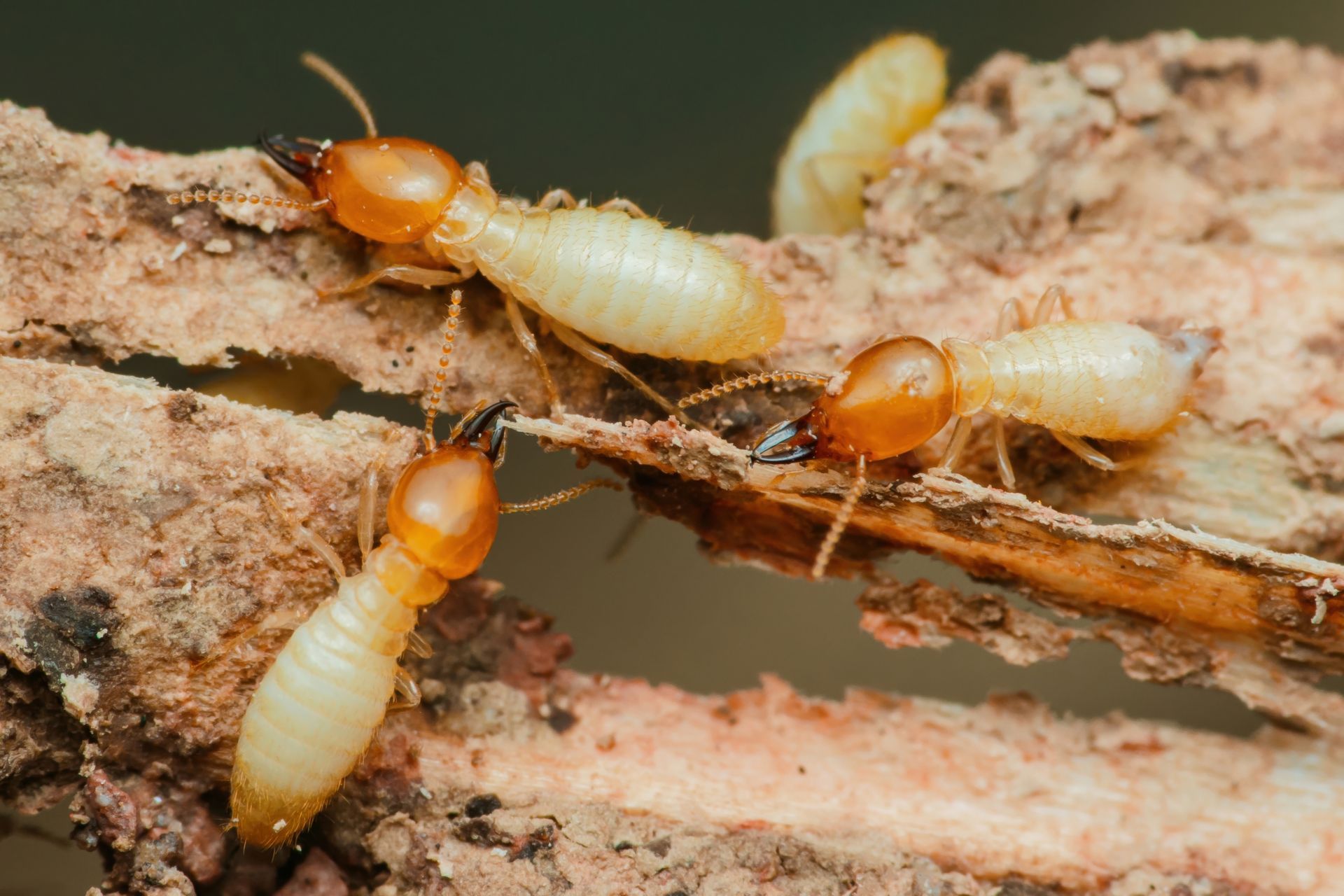
By ABCO Termite and Pest Control When termites invade, the real damage often hides in places you rarely look — behind the walls, beneath insulation, and within the wood framing that supports your home. What looks like a solid wall can actually conceal a thriving termite colony eating its way through the structure, silently and steadily. The photos above show what we often uncover during termite inspections: wood completely hollowed out, tunnels running through the studs, and insulation filled with frass (termite droppings) and moisture damage. It’s a shocking reminder that termite infestations often go unnoticed for years until significant repairs are needed.

By XTERMIGATOR, Mascot of ABCO Pest Control | Long Island, NY As summer 2025 gets underway, Long Island homeowners are ready to enjoy sunshine, backyard BBQs, and outdoor fun. But there’s one thing that can quickly ruin a great day — stinging insects. At ABCO Pest Control, we’re here to help you identify these pests, protect your family, and know when to call in the pros.