
Termites on Long Island
By Arnie Fishon, Founder of AAA ABCO Termite & Pest Control, Inc. and Board Certified Termite Inspector (One of Two)
I started in the pest control business doing a walking route in Brooklyn before I had my driver’s license. Even back then, I remember my father saying to me, when the forsythia bloom, the termites swarm on Long Island. Ever since then when driving on the Northern or Southern State Parkways, and seeing the green forsythia turn yellow, I think of my Dad and termite swarms.
They call Long Island the termite Gold Coast; I’m not 100% sure why, but I believe it has to do with sandy soil which is conducive to subterranean termites and that is the species we have on Long Island. Subterranean termites live in the ground and can number up to a million in a colony. There are kings, queens, soldiers, winged swarmer reproducers, and worker termites, and it is the worker termites that are the troublemakers. The termite workers, which feed the entire colony, eat only wood — no meat, no chicken, no veggies, only wood. Guess what our homes are framed with — wood! Yum, yum, free lunch say the worker termites.
Termites cause more damage to homes in the United States than fires and storms combined. I have personally seen worker termites eat away floor joists, causing a kitchen floor to fall into the basement.
When the subterranean termite colony reaches maturity in the ground, winged swarmer reproducers leave the colony in the hundreds to thousands in the Spring and the Fall, sometimes swarming in basements, sometimes outside. These winged swarmers are actually new kings and queens leaving their home (colony) looking to set up new colonies. They are very poor flyers and don’t fly far. When they land, they shed their wings; the females raise their abdomens and emit a pheromone for a guy termite to follow. They dig into the ground to set up shop and start building a new colony. Those that swarm indoors, which is pretty common, head to the light, usually windows, sometimes in the basement, drop their wings, and if they cannot get into the ground, they die. Swarmer termites in the basement and a large amount of wings are signs of a mature colony close by. .
How can you tell the difference between flying ants and termites? Call Arnie Fishon on his cell phone 917-417-5305. We don’t charge for looking, only treating!
The company guarantees results or your money back, and is rated A+ by the Better Business Bureau. For more information, you can reach Arnie directly on his cel! phone, 917-417-5305. or the website, www.aaaabco.com.

Discover why Long Island homeowners pick a local pest control and termite specialist over national chains — better response times, real accountability, and true local knowledge.
Learn what a professional termite inspection covers in Stony Brook, why local soil and housing conditions matter, and when a real estate report is required.

As temperatures rise and gardens burst into bloom, many homeowners discover an unwelcome guest on their plants—aphids.

If you step out into your Long Island backyard this week, you might see a peaceful landscape. But beneath that calm surface, a massive "guest list" is being finalized for the biggest party of the year.
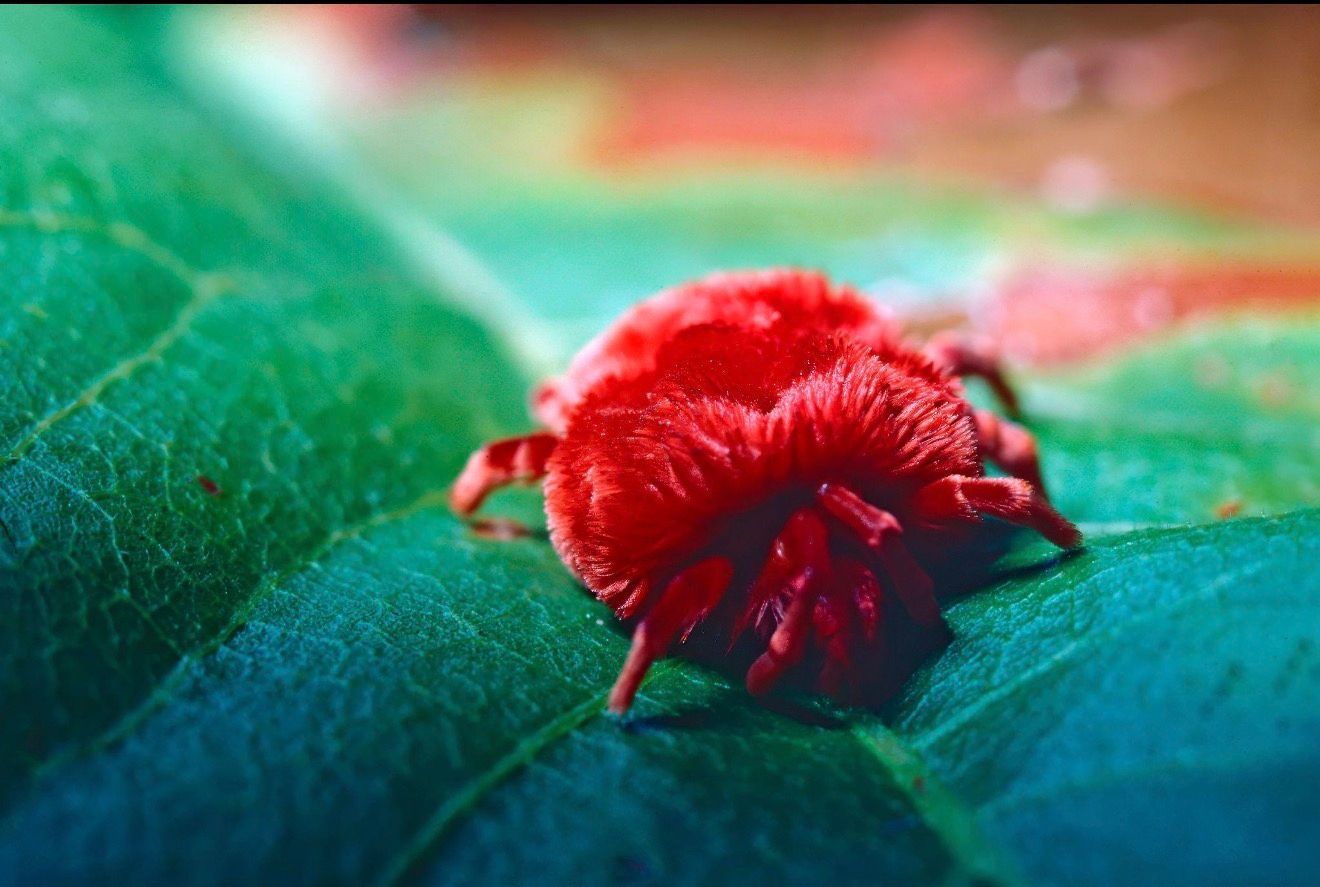
When homeowners spot tiny bright-red bugs crawling across patios, foundations, mulch beds, or sidewalks, panic often sets in.
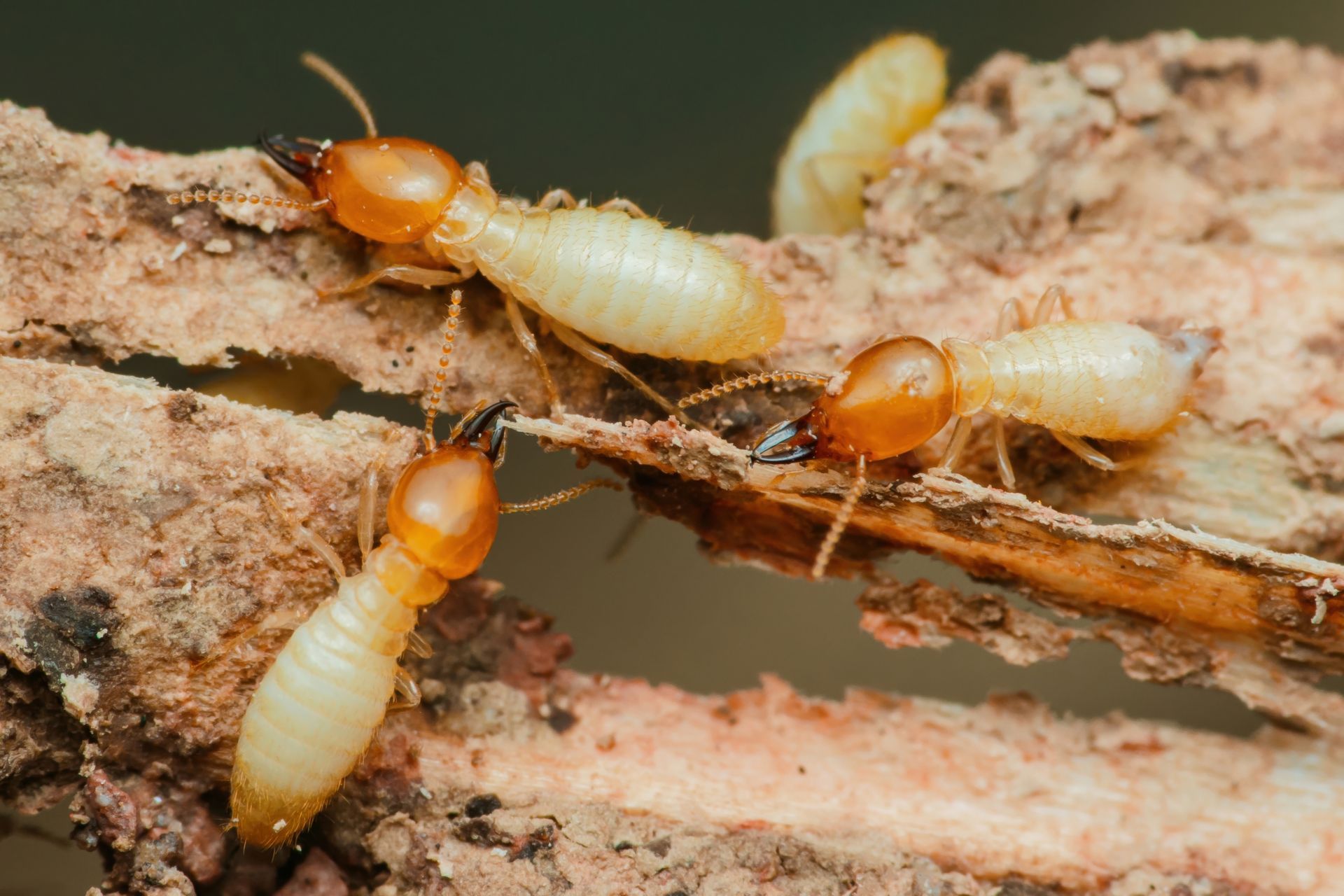
It is mid-March on Long Island. The frost is finally retreating from the soil, and the air carries that specific dampness that signals the return of spring.
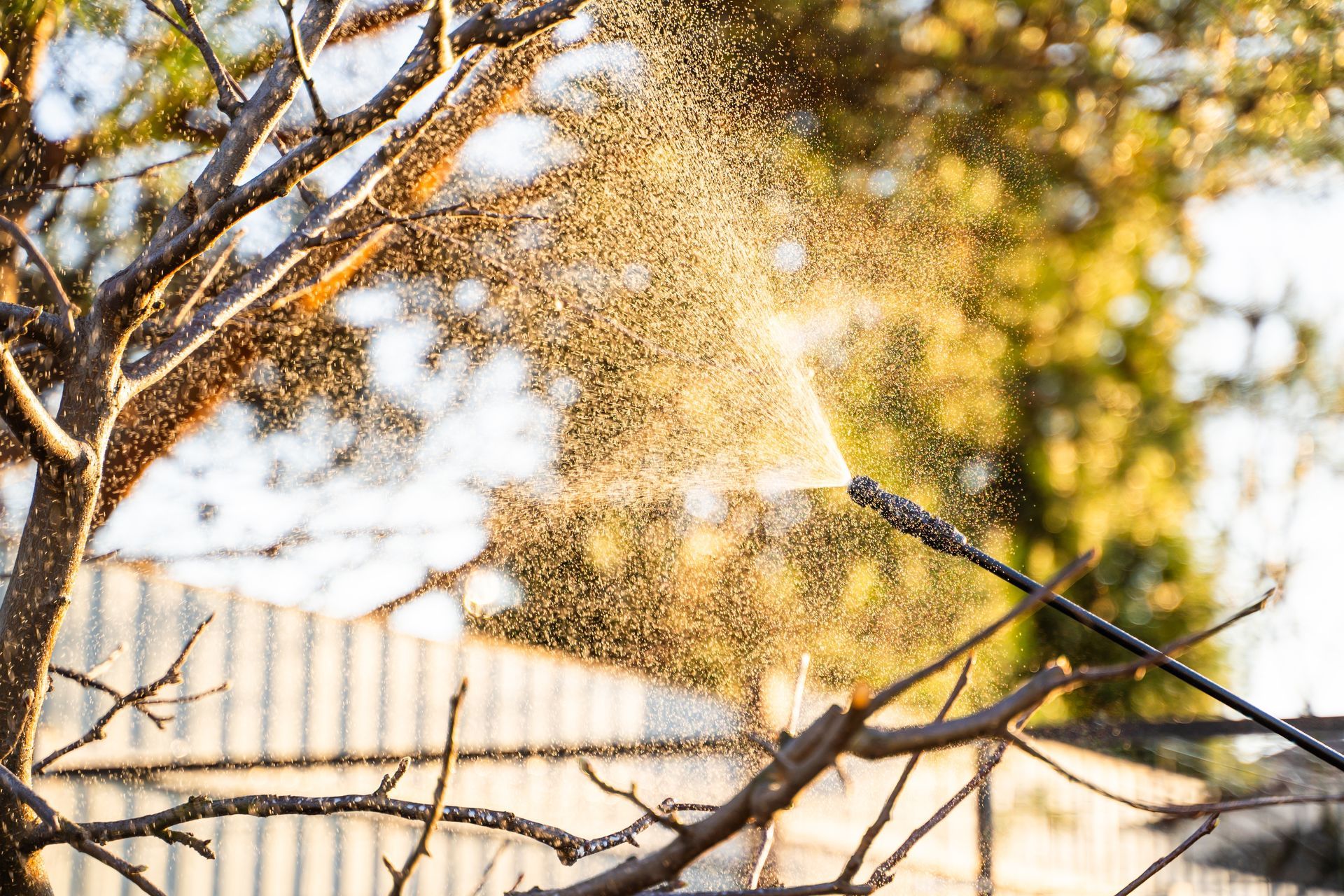
Prepare your yard for pests this season. Learn proactive strategies & contact us for a free estimate today!

There is nothing quite like a Long Island summer. After months of gray skies and shivering through Nor'easters, opening the pool feels like a rite of passage.
Worried about smells or pests in your crawl space? Learn safe, non-chemical moisture and pest control fixes with this step-by-step IPM guide from ABCO XTERMIGATORS.